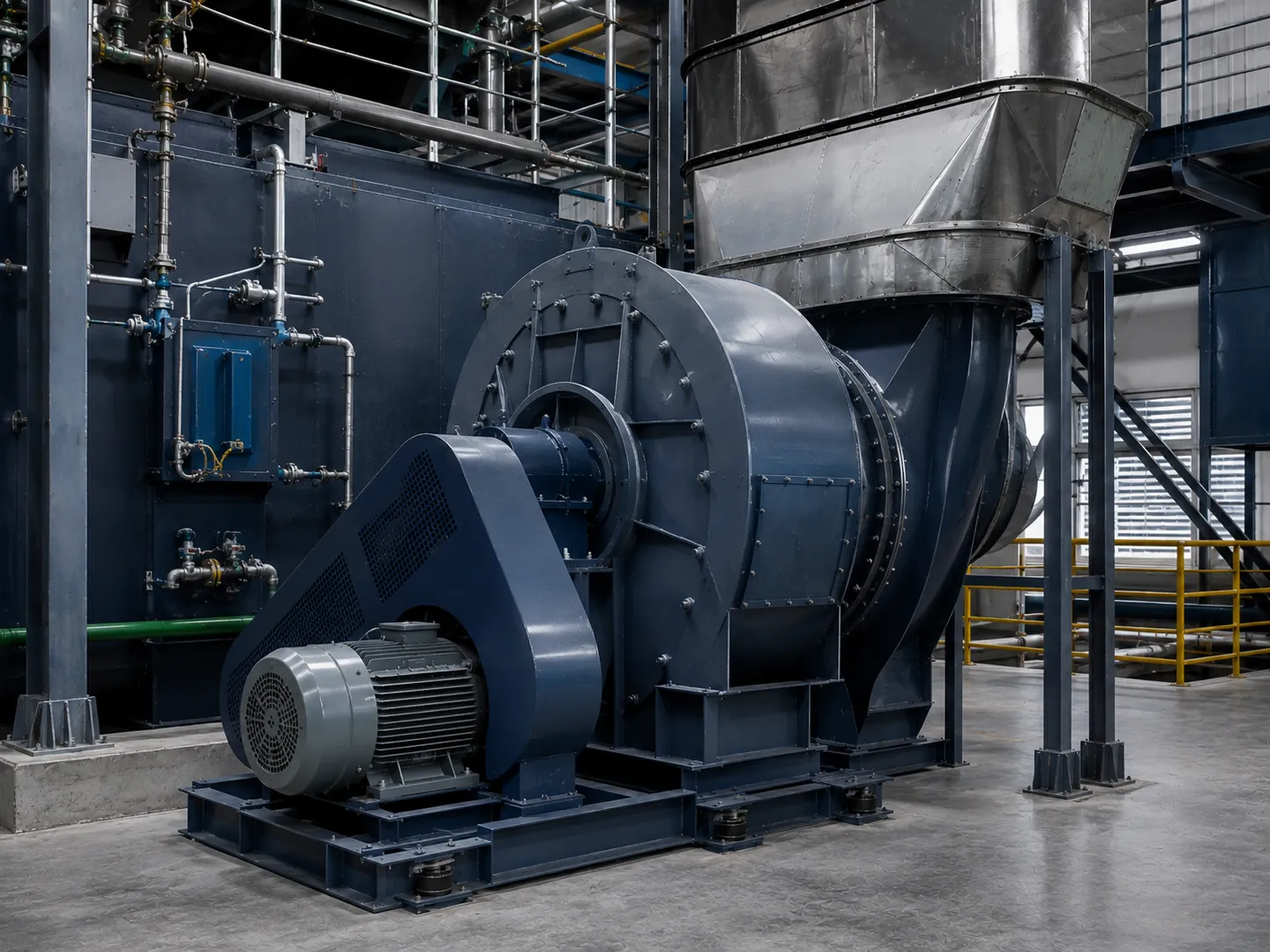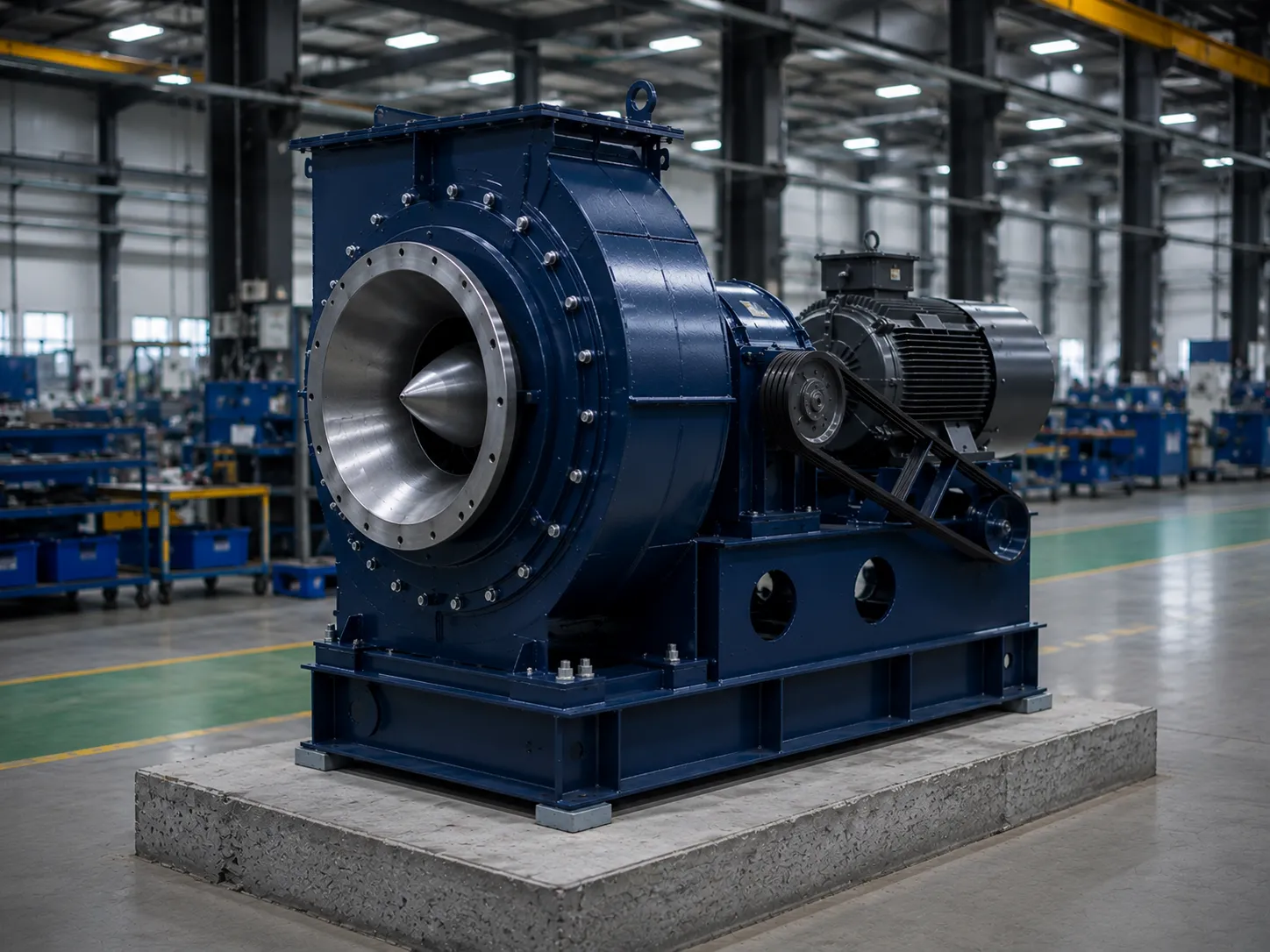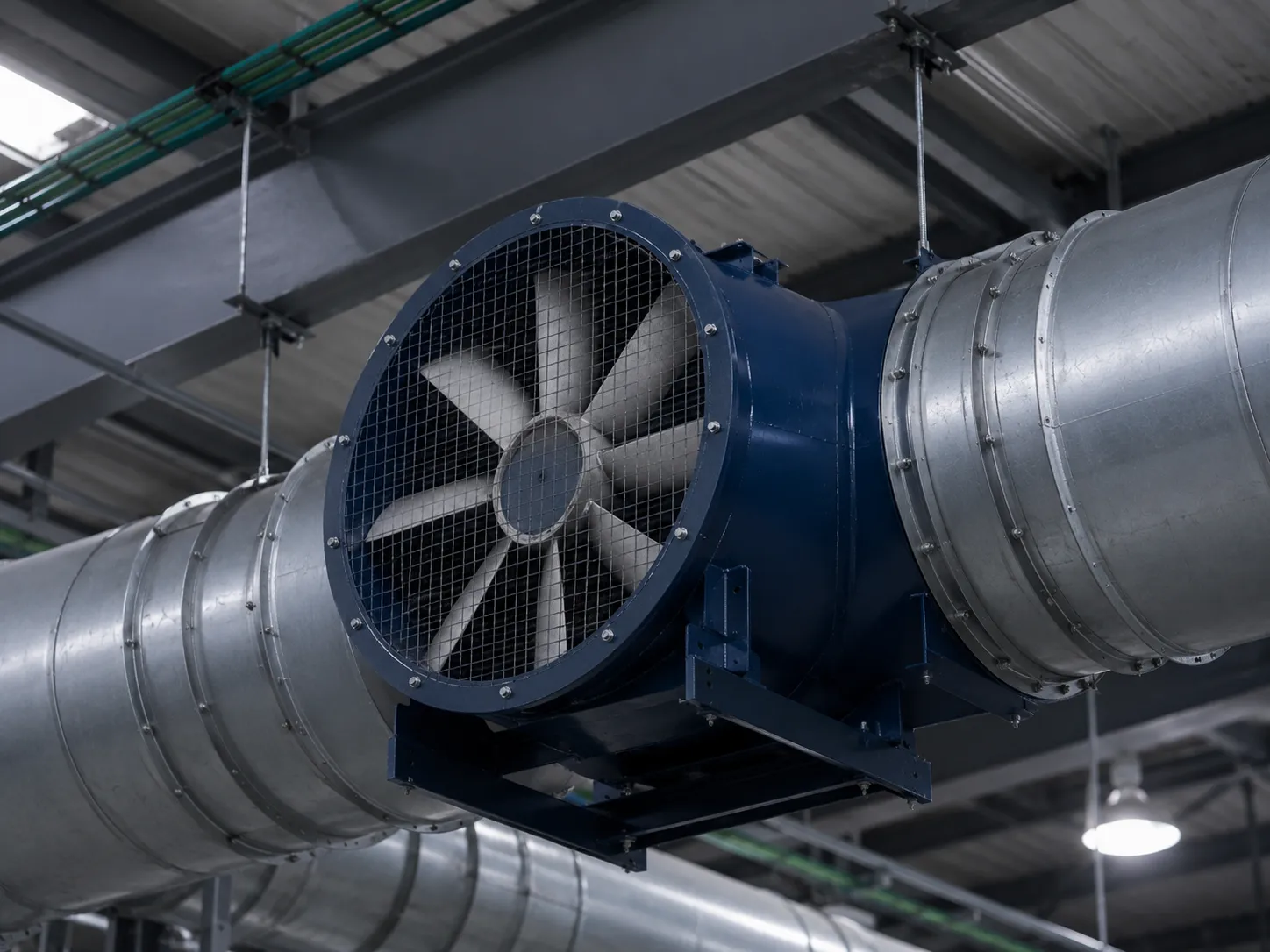
Airvent Systems manufactures Forced Draft (FD) fans that supply reliable combustion air to boilers and industrial furnaces.
Forced Draft (FD) fans push fresh ambient air into a boiler or furnace to support efficient combustion. Airvent Systems builds FD fans with heavy-duty impellers and reinforced housings for dependable, continuous combustion air supply.
Request A Quote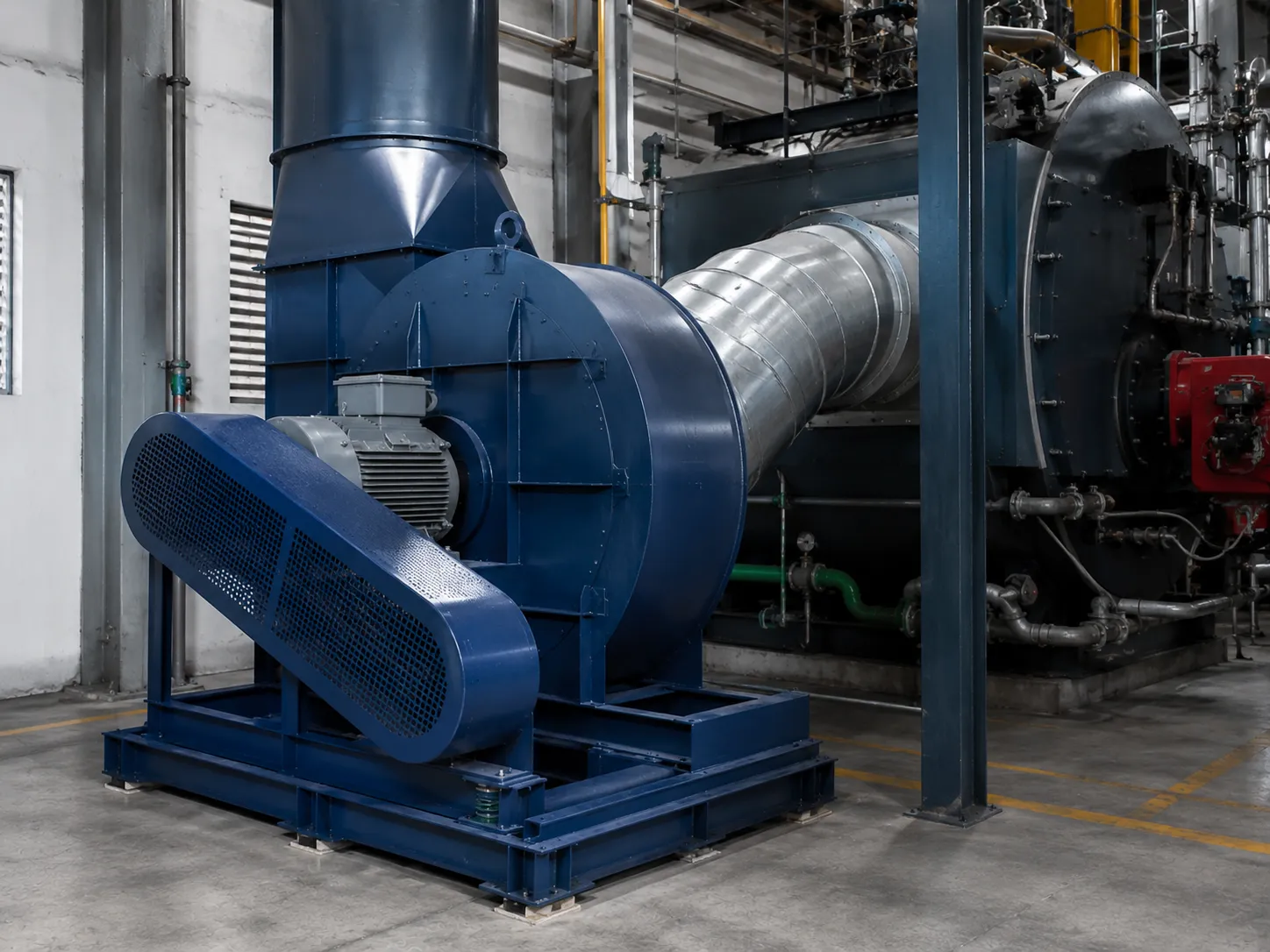
Consistent airflow to maintain efficient combustion.
Materials selected for boiler-side operating conditions.
Reduces vibration for long bearing and shaft life.
Sized to your boiler's rated combustion air demand.
| Parameter | Range |
|---|---|
| Air Volume | Up to 50,000 m3/hr |
| Static Pressure | Up to 500 mmWC |
| Motor Power | 1 HP to 250 HP |
| Operating Temperature | Ambient up to 150C |
Ranges shown are indicative starting points, not a fixed catalog spec. Share your process data with our engineers for an exact recommendation and datasheet.
Gas composition, temperature and dust load determine the correct material. Common options for fd fans include:
Final material selection is confirmed based on your specific application, not a default.
Every unit follows the same engineering discipline, from duty point through to final testing.
Boiler or furnace air demand is confirmed from the equipment's rated combustion requirement.
Balanced impeller and reinforced housing are sized to deliver stable, continuous airflow.
Belt or direct-coupled drive is selected based on speed and installation space.
Construction is matched to ambient and inlet air conditions at the combustion equipment.
Damper and control interfaces are configured to match your combustion control system.
Units are run-tested for airflow and pressure before dispatch.
Combustion air supply for boiler furnaces.
Air supply for kiln and calciner combustion.
Combustion air for thermic fluid heaters.
Air supply for industrial ovens and dryers.
Combustion air for process heaters.
Air supply for boiler and drying equipment.
An FD (Forced Draft) fan pushes fresh ambient air into the furnace or boiler to support combustion. It sits on the clean-air intake side of the system, upstream of the burner, and is sized to match the boiler's rated combustion air demand.
An FD fan pushes air into the furnace for combustion. An ID (Induced Draft) fan sits on the opposite end, pulling hot flue gases out after combustion and sending them toward the stack. Many boiler systems use both together to maintain balanced draft inside the furnace.
Your boiler or furnace's rated combustion air requirement (usually available from the boiler manufacturer's datasheet), site altitude, and ambient air temperature range. If this data isn't available, our engineers can help estimate it from your boiler's fuel type and capacity.
In some cases, yes, an existing FD fan can be re-evaluated for a higher or lower duty, but this depends on the impeller and motor's available margin. Share your new requirement and existing fan details, and we can advise whether a retrofit or replacement makes more sense.
This varies with duty cycle, air cleanliness and maintenance practices, but bearings, seals and impeller balance are the usual first points of wear. Regular inspection helps catch issues before they cause unplanned downtime.