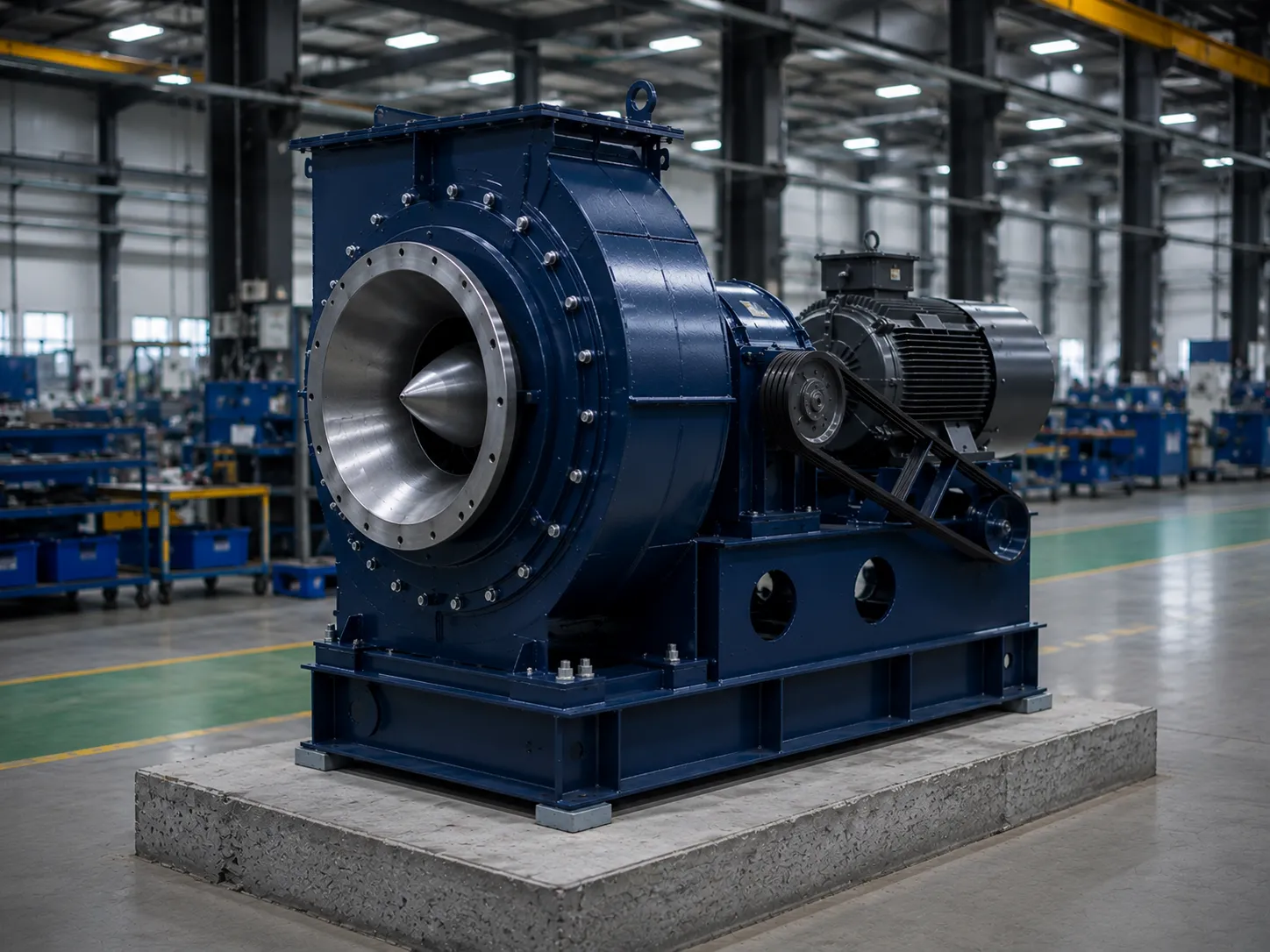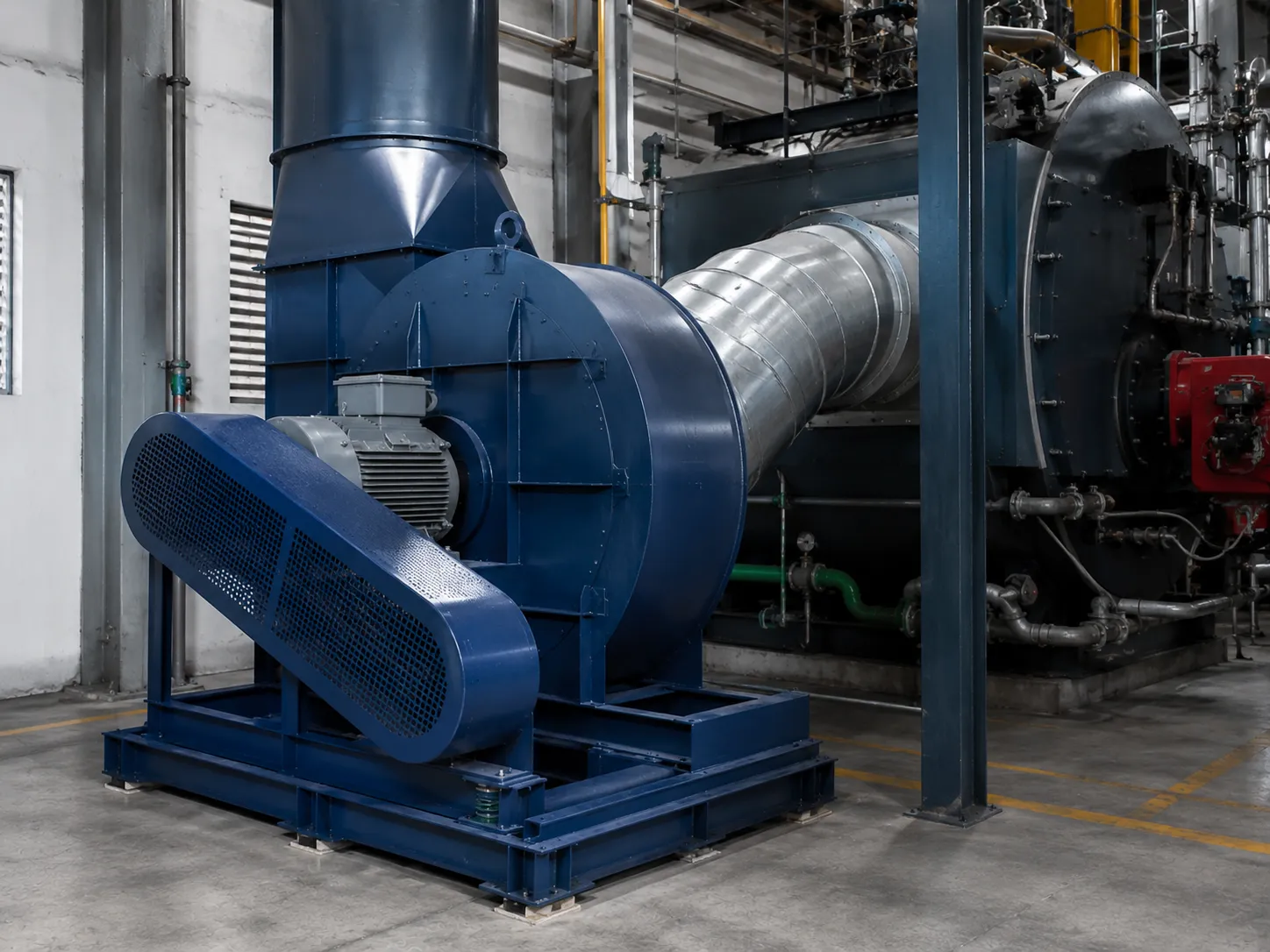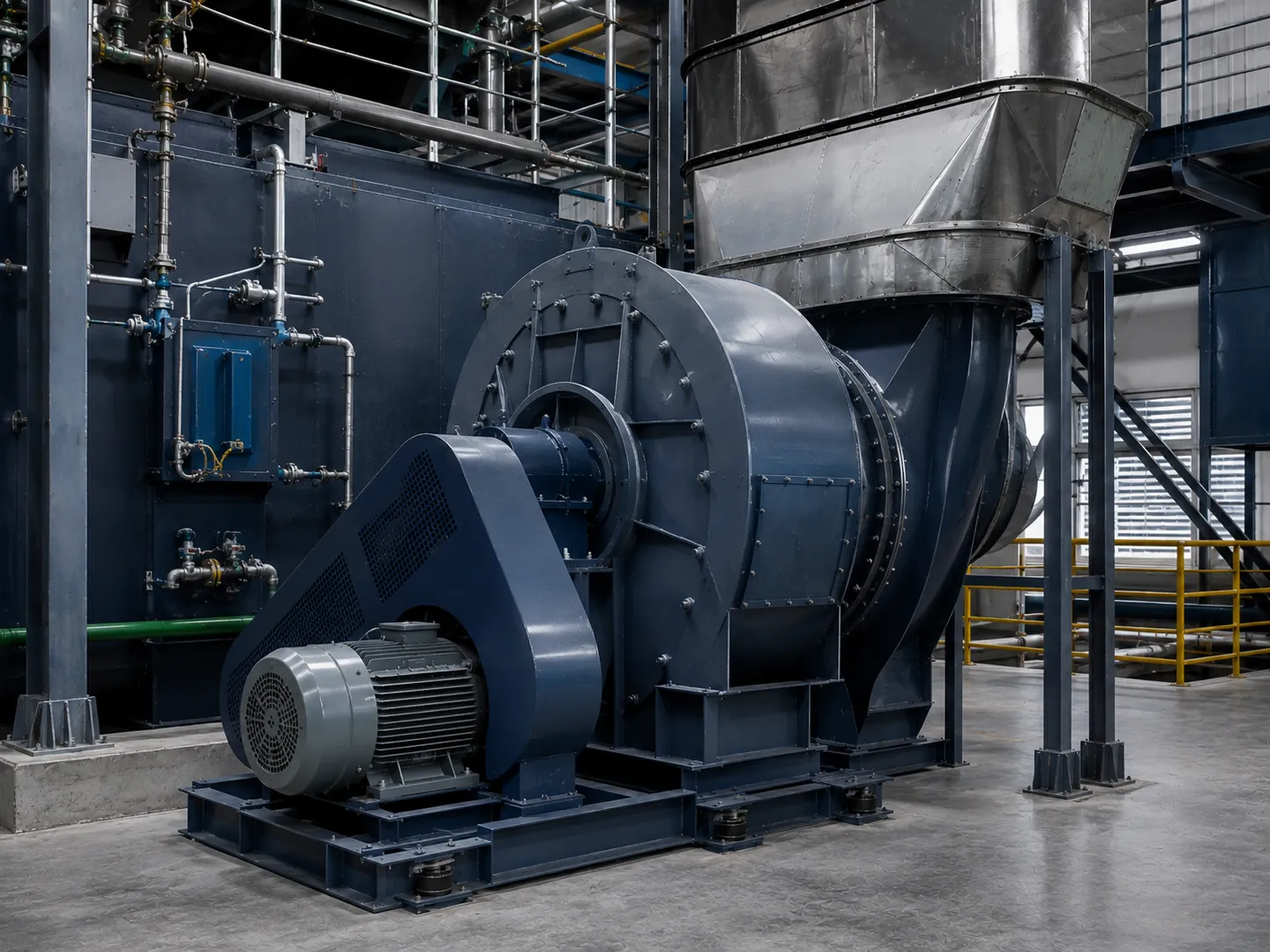
Airvent Systems manufactures tube axial fans for high-volume ventilation, fume extraction and general industrial air movement.
Tube axial fans move air in-line through a cylindrical housing, making them ideal for ducted ventilation, fume extraction and general-purpose air movement where space is limited. Airvent Systems builds these fans for high airflow with a compact footprint.
Request A Quote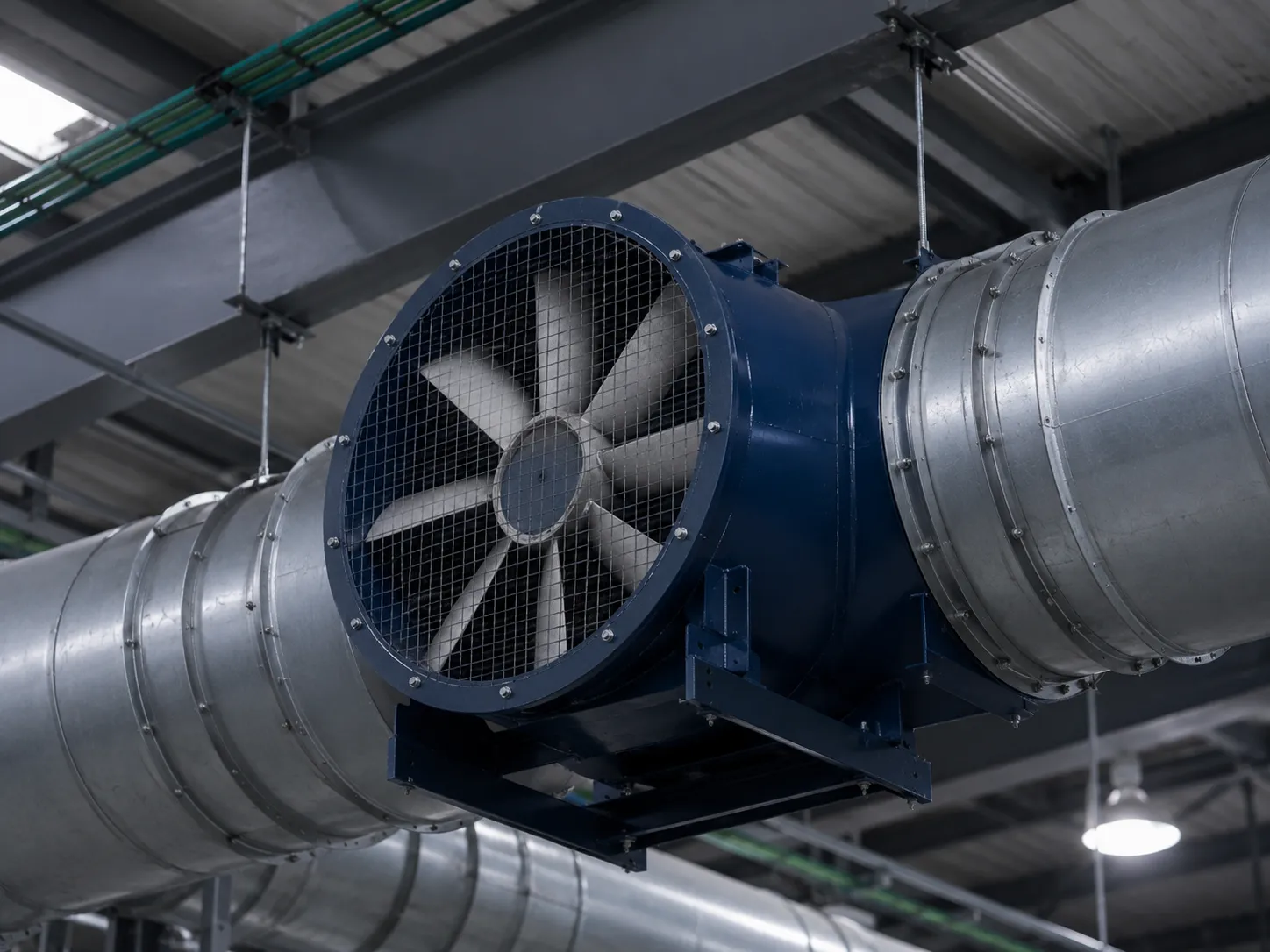
Fits directly into ducting with minimal space requirement.
Effective for general ventilation and exhaust needs.
Flexible mounting for varied installation layouts.
Built for continuous ventilation duty in industrial settings.
| Parameter | Range |
|---|---|
| Air Volume | Up to 40,000 m3/hr |
| Static Pressure | Low to medium pressure range |
| Motor Power | 0.25 HP to 50 HP |
| Duct Diameter | 200 mm to 1,400 mm |
Ranges shown are indicative starting points, not a fixed catalog spec. Share your process data with our engineers for an exact recommendation and datasheet.
Gas composition, temperature and dust load determine the correct material. Common options for tube axial fans include:
Final material selection is confirmed based on your specific application, not a default.
Every unit follows the same engineering discipline, from duty point through to final testing.
Required air volume and available duct diameter are established first.
Blade pitch and count are selected for your airflow and noise requirements.
Cylindrical housing is sized to match your ducting for a clean in-line installation.
Direct or belt-driven configuration is chosen based on speed and space constraints.
Construction is matched to the environment, standard, corrosive, or high-temperature duty.
Units are run-tested for airflow before dispatch.
General factory and workshop ventilation.
Fume extraction in paint shops and welding bays.
General ventilation for processing and packaging areas.
Air movement for cooling and general ventilation.
Large-volume air circulation for storage areas.
Ventilation for packaging line environments.
Tube axial fans move air in-line through a cylindrical housing, making them suited to ducted ventilation, fume extraction and general-purpose air movement where space is limited and high static pressure isn't required.
A tube axial fan moves air in a straight line through its housing and is efficient at moving large volumes against low resistance. A centrifugal blower changes the air's direction by 90 degrees through a scroll case and generates much higher static pressure. Choose axial for general ventilation, centrifugal when you need to push air against significant resistance.
Required airflow, available duct diameter, static pressure the fan needs to work against (even if low), and the operating environment (temperature, any corrosive elements). This determines blade design and housing material.
Yes, with appropriate construction. Options like corrosion-resistant coatings or stainless steel construction are available for outdoor, humid or corrosive-environment installations.
Axial fans are generally quieter at comparable airflow for low-pressure applications, since they don't have to overcome the resistance a centrifugal design is built for. Exact noise levels depend on blade design, speed and ducting, and can be discussed for noise-sensitive installations.