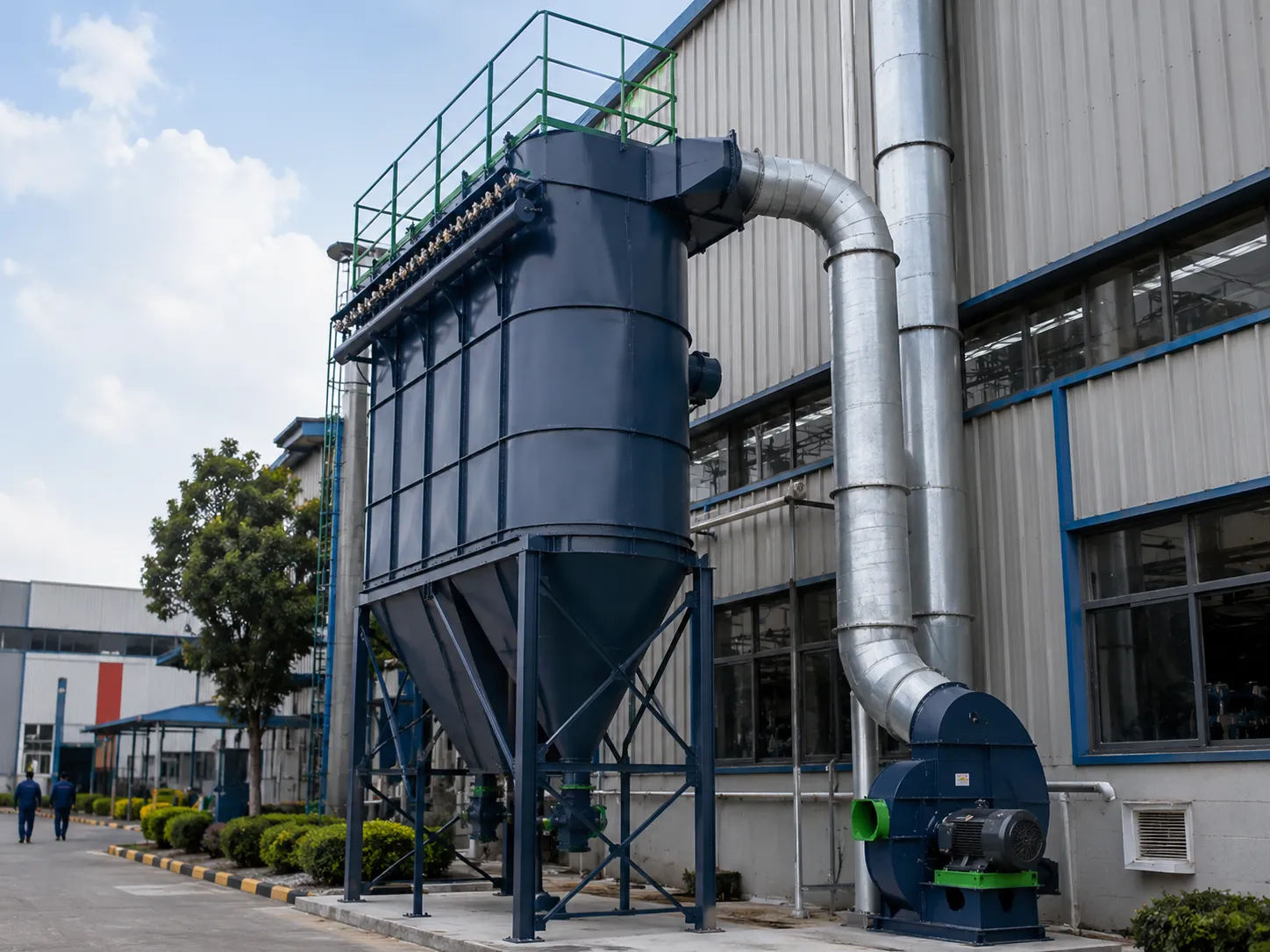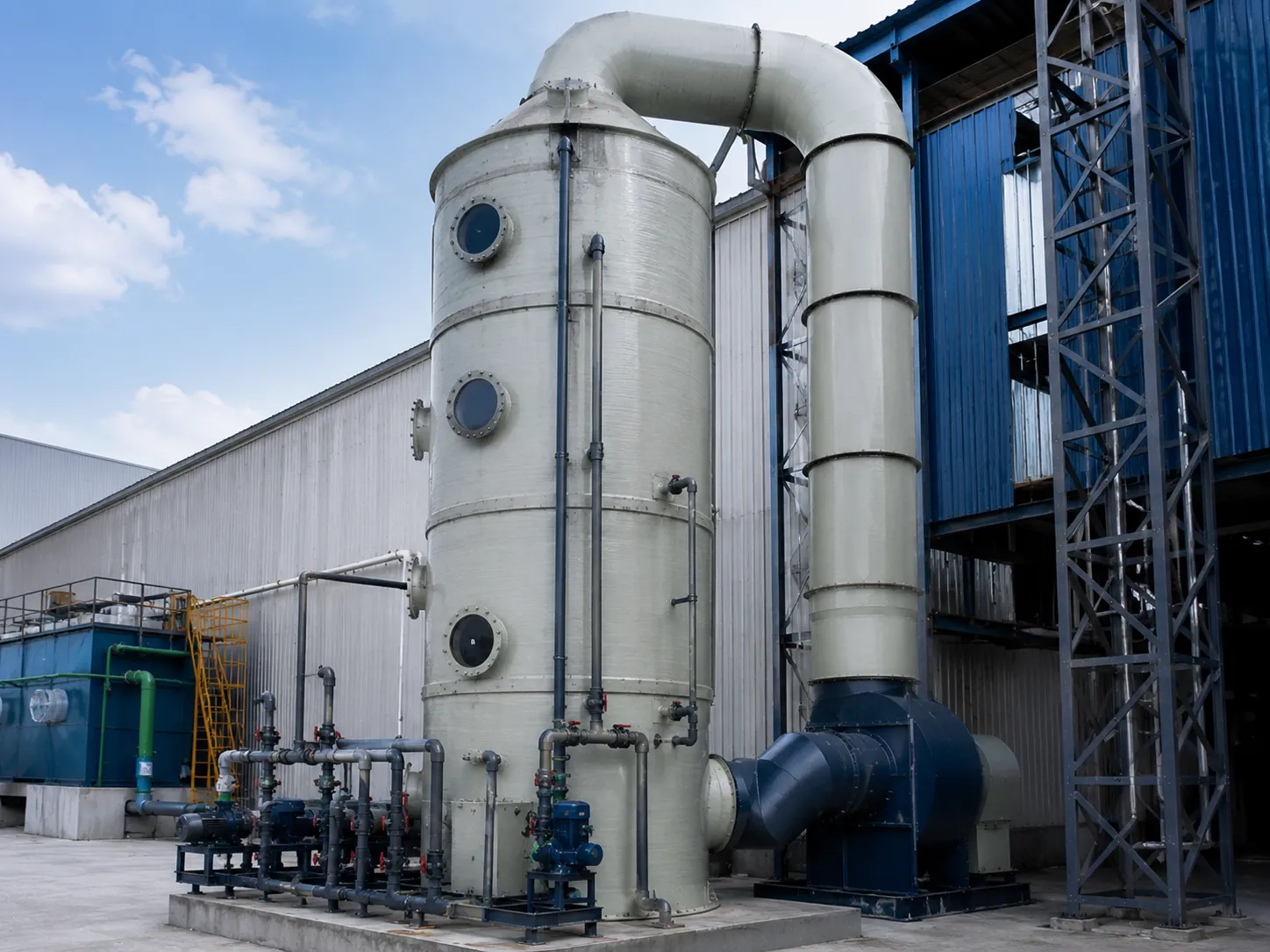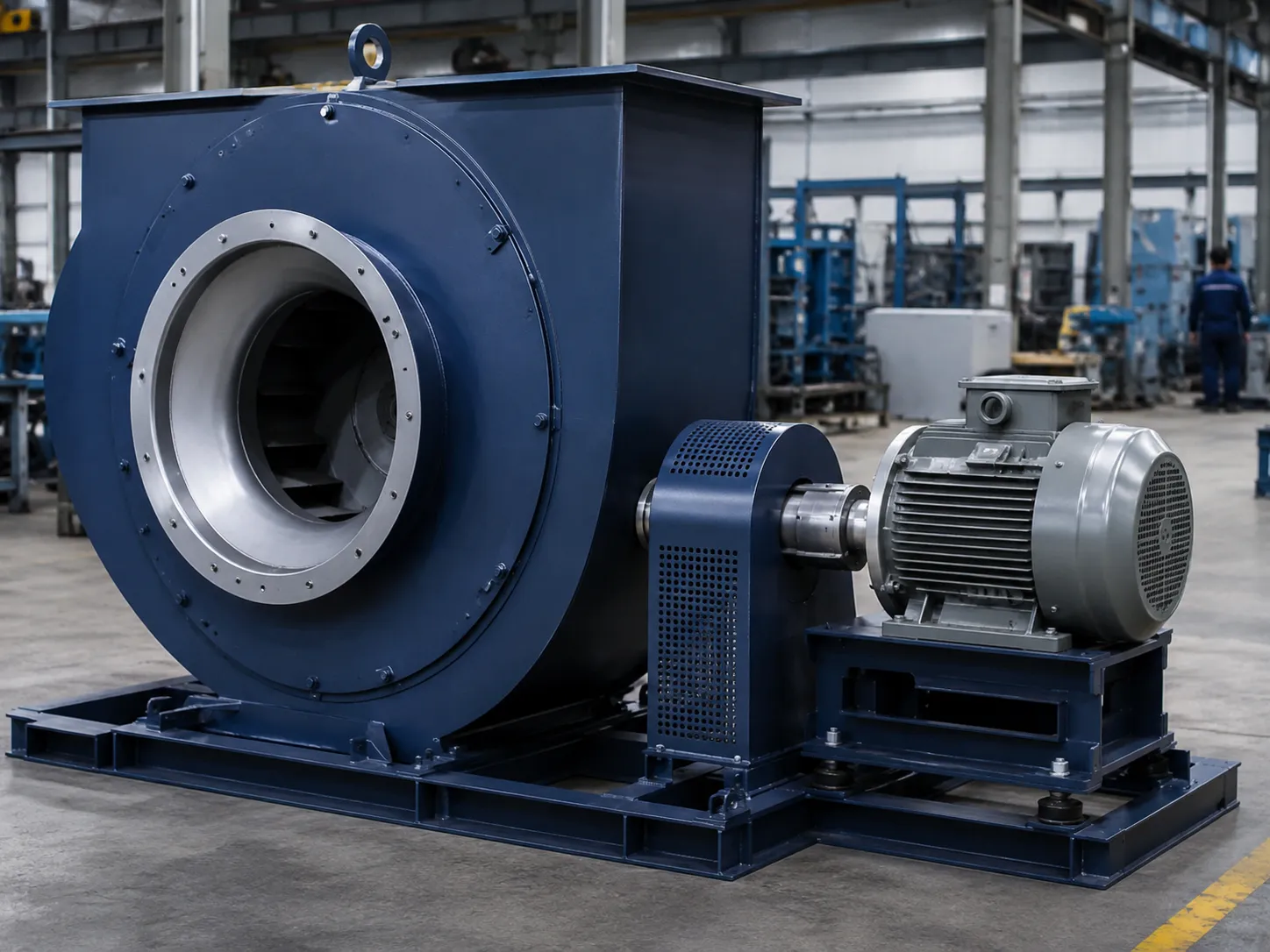
Airvent Systems manufactures fabric bag filter systems that capture fine particulate before discharge, keeping plants compliant and workplaces clean.
Our bag filter systems use durable filter fabric media to trap fine dust particles from process air streams. Designed for straightforward bag replacement and long filter life, they complement our pulse-jet dust collectors for facilities with heavy or continuous particulate loads.
Request A Quote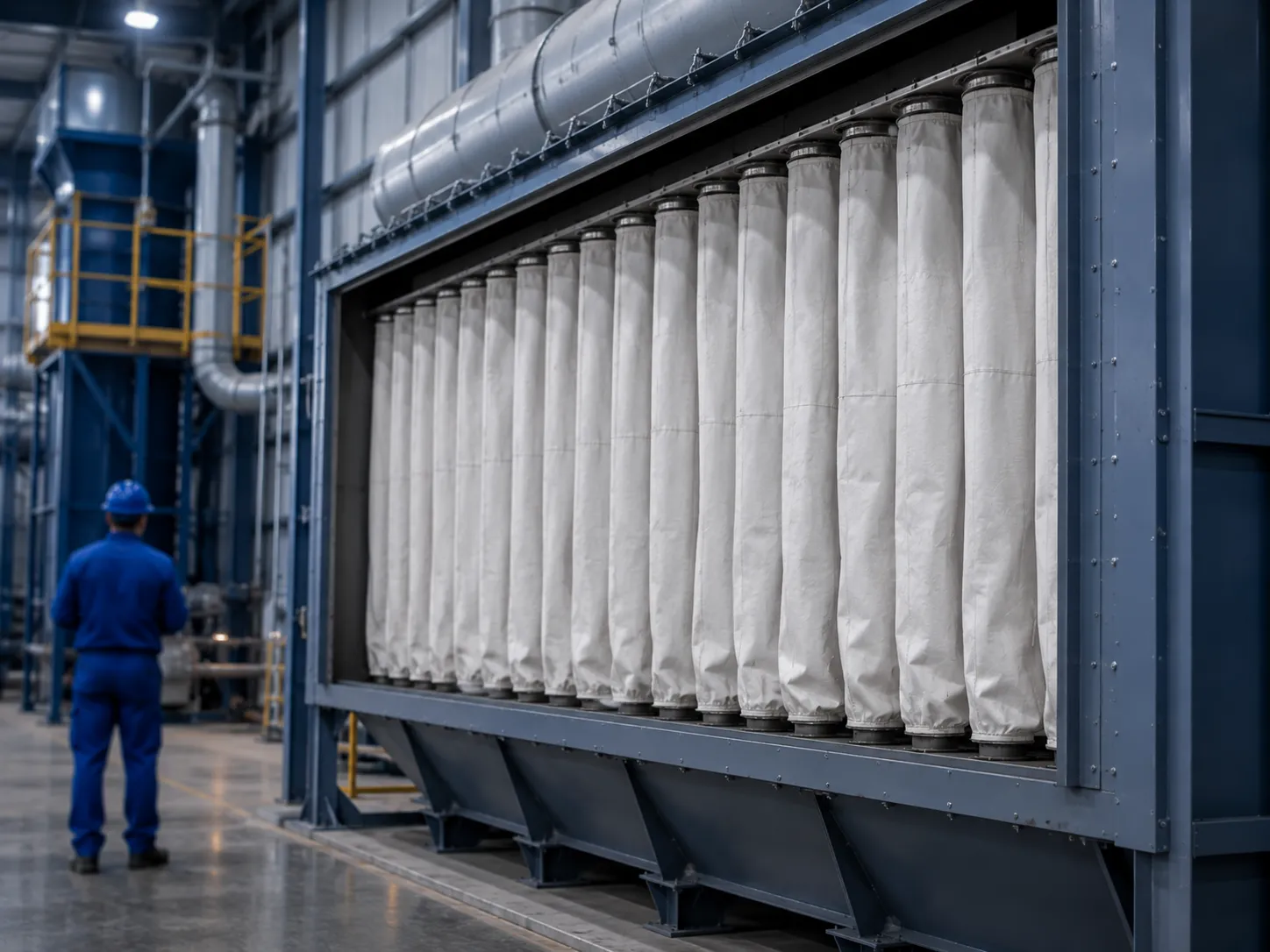
Fabric media selected to match your dust particle size and temperature.
Sectioned housings for easier maintenance without full shutdown.
Maintains stable pressure drop across the filter life.
Sized from small workshop units to high-volume plant systems.
| Parameter | Range |
|---|---|
| Filtration Area | Sized to application dust load |
| Air-to-Cloth Ratio | As per process requirement |
| Cleaning System | Automated pulse-jet |
| Filter Bag Material | Polyester, PTFE, Nomex, Fiberglass |
Ranges shown are indicative starting points, not a fixed catalog spec. Share your process data with our engineers for an exact recommendation and datasheet.
Gas composition, temperature and dust load determine the correct material. Common options for bag filter systems include:
Final material selection is confirmed based on your specific application, not a default.
Every unit follows the same engineering discipline, from duty point through to final testing.
Particle size, concentration and material properties are established before sizing filter area.
Bag material is chosen for your dust type, temperature and moisture conditions.
Filter area is calculated to balance pressure drop against cleaning frequency.
Bag length, diameter and cage design are set for your housing dimensions.
Pulse-jet sequencing is configured for continuous, low-maintenance operation.
Units are checked for filtration integrity before dispatch.
Fine particulate capture from kiln and mill exhaust.
Metal dust and fume filtration.
Sawdust and fine wood particulate capture.
Fine powder filtration from process operations.
Hygienic powder capture with easy-clean housings.
Dust control at material handling points.
Polyester for general-duty applications, PTFE-coated or PTFE-membrane for fine particulate and demanding conditions, Nomex for higher-temperature duty, and fiberglass for high-temperature or specific chemical resistance requirements. The right choice depends on your dust type and operating temperature.
A ratio that's too aggressive leads to frequent bag blinding, rising pressure drop and shortened bag life. Signs your existing system may be undersized include pressure drop that doesn't recover after cleaning cycles and more frequent bag replacement than expected. Share your dust load and current filter area and we can review the sizing.
Yes, with the right bag material. Standard polyester suits moderate temperatures, while Nomex or fiberglass media extend the usable range significantly. Share your actual gas temperature at the filter inlet so the right media can be specified.
This depends on duty cycle and compressed air quality, but periodic inspection of diaphragms and solenoids helps catch wear before it affects cleaning performance. Poor cleaning cycle performance is often the first visible sign a valve needs attention.
Bag filters use elongated fabric bags and suit higher dust loads and larger air volumes. Cartridge filters use pleated media in a more compact footprint and can achieve higher filtration efficiency in a smaller space, but typically handle lower dust loads before requiring cleaning. The right choice depends on your dust characteristics and available space.