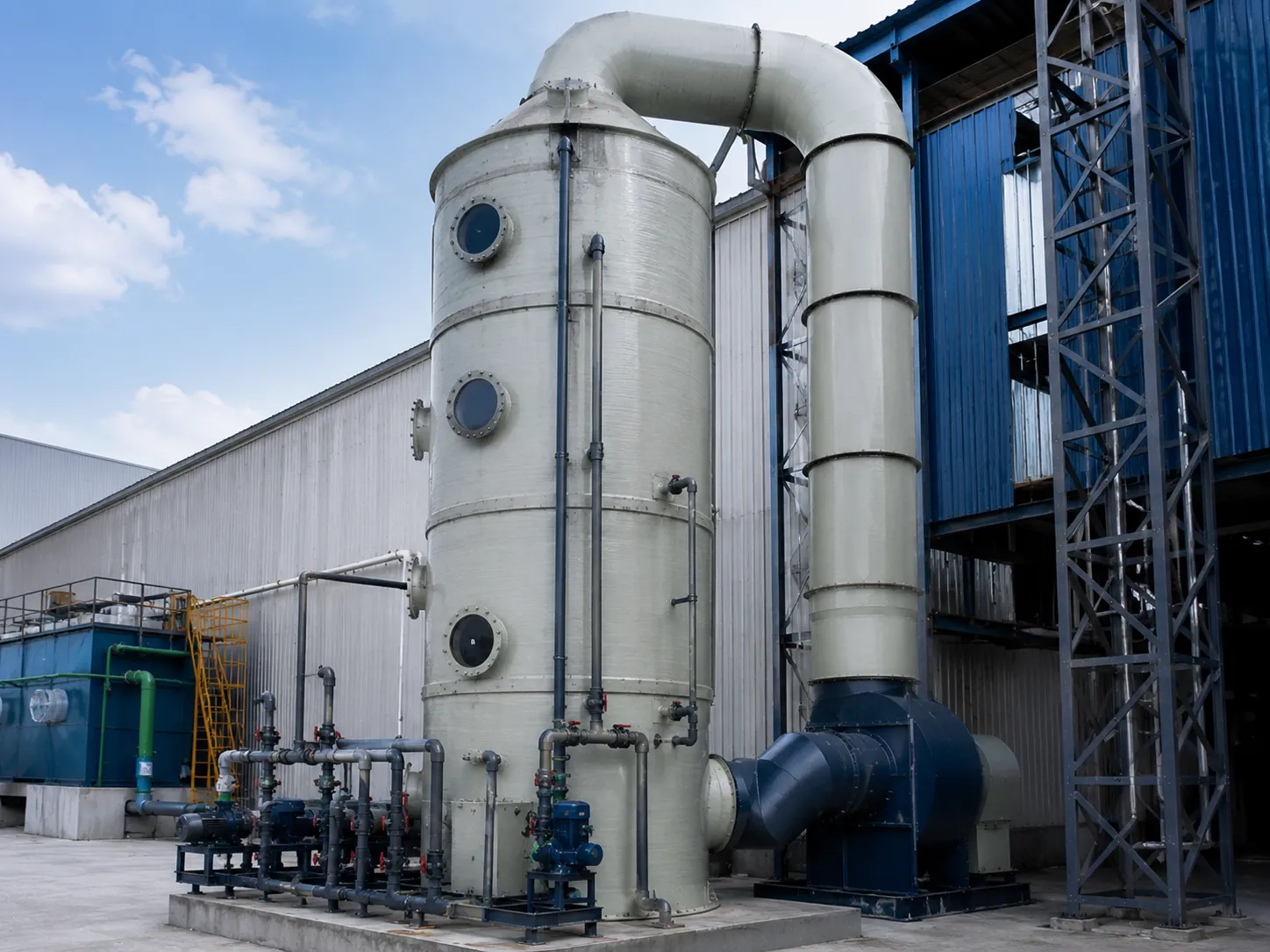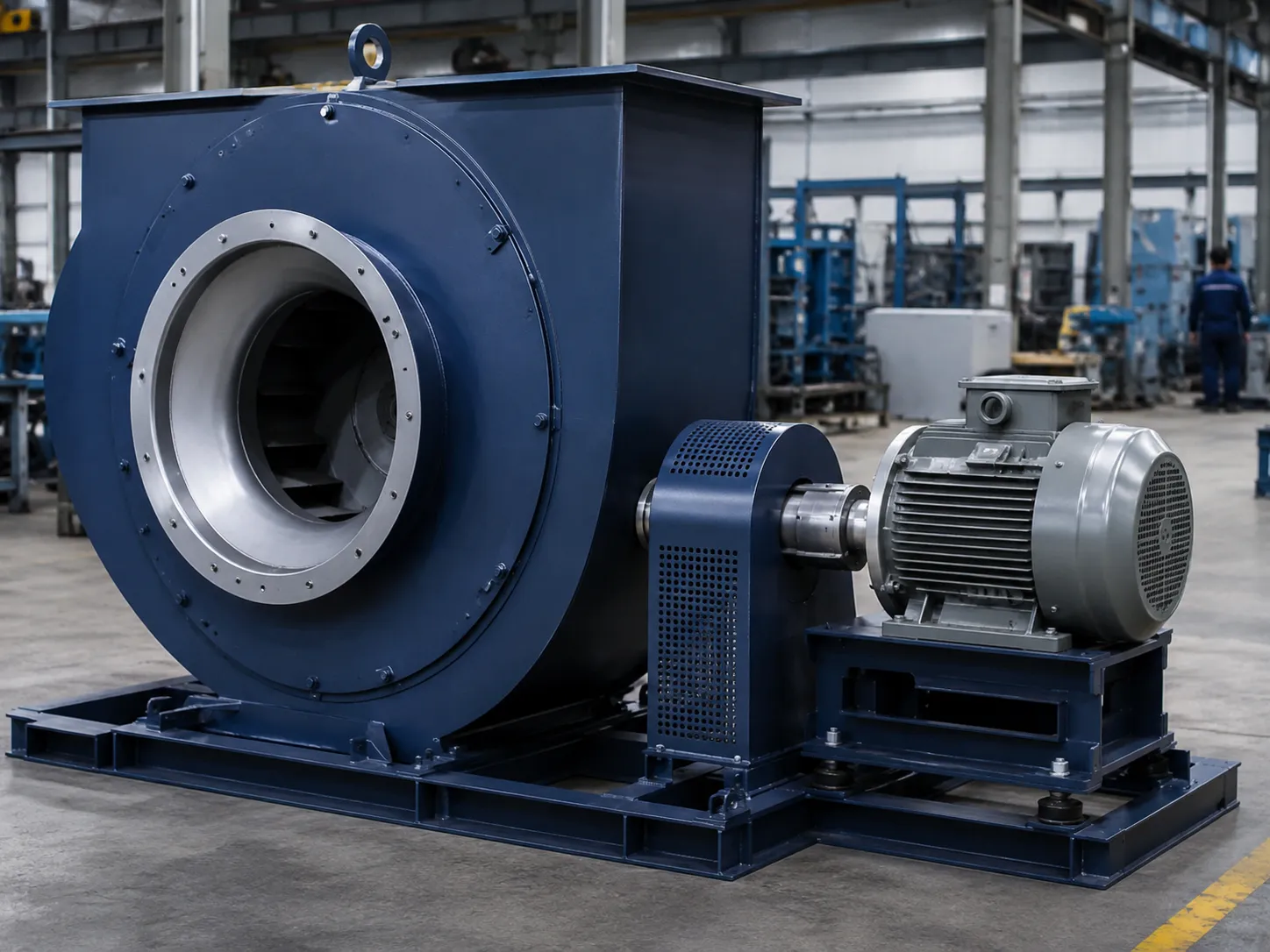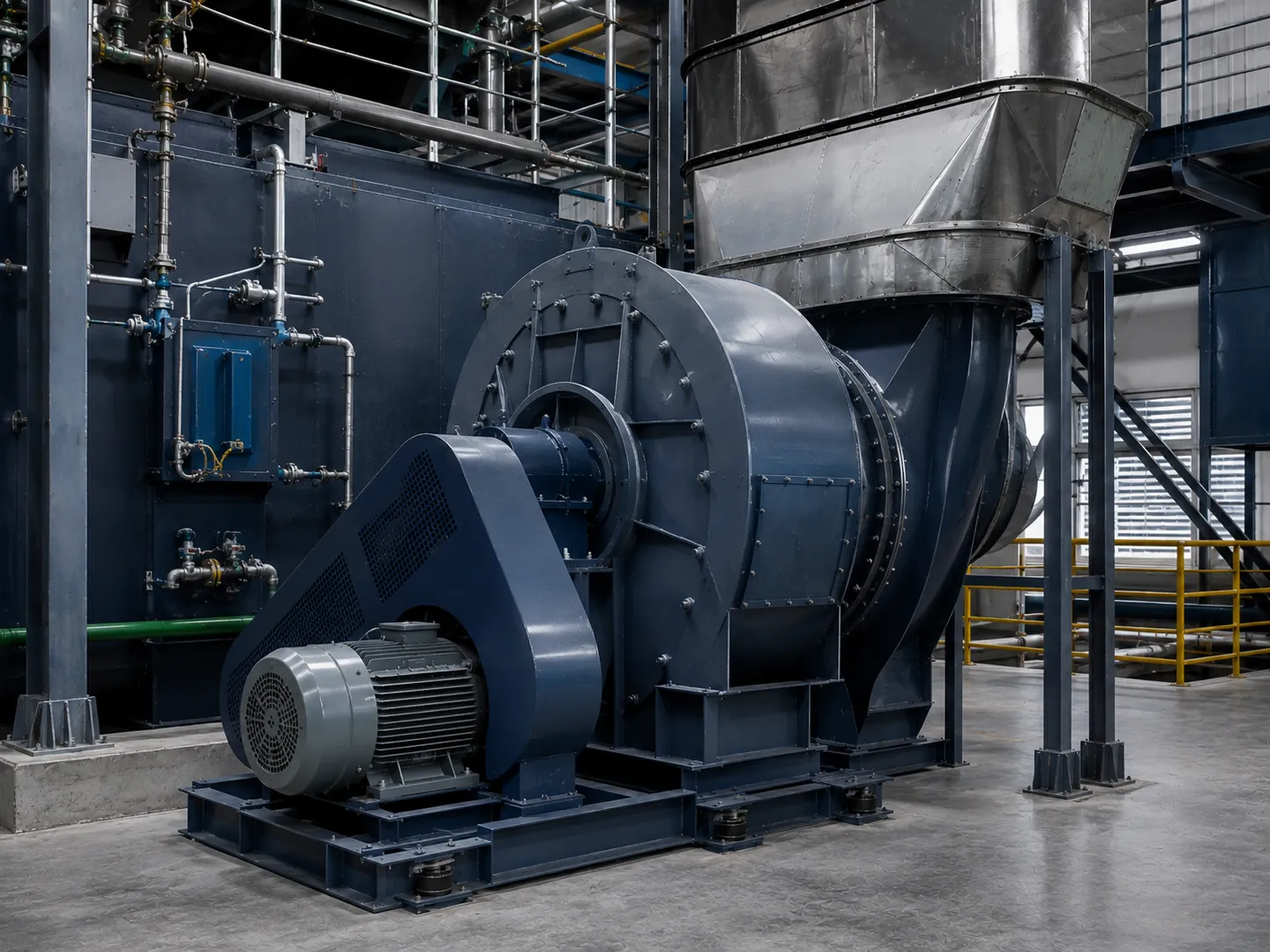
Airvent Systems manufactures pulse-jet bag filter dust collectors and bag filter systems for clean workplaces and emission compliance.
Our pulse-jet bag filter dust collectors capture fine particulate at the source, protecting worker health, equipment life and helping plants stay within emission norms. Designed with easy-access housings for straightforward bag replacement and maintenance.
Request A Quote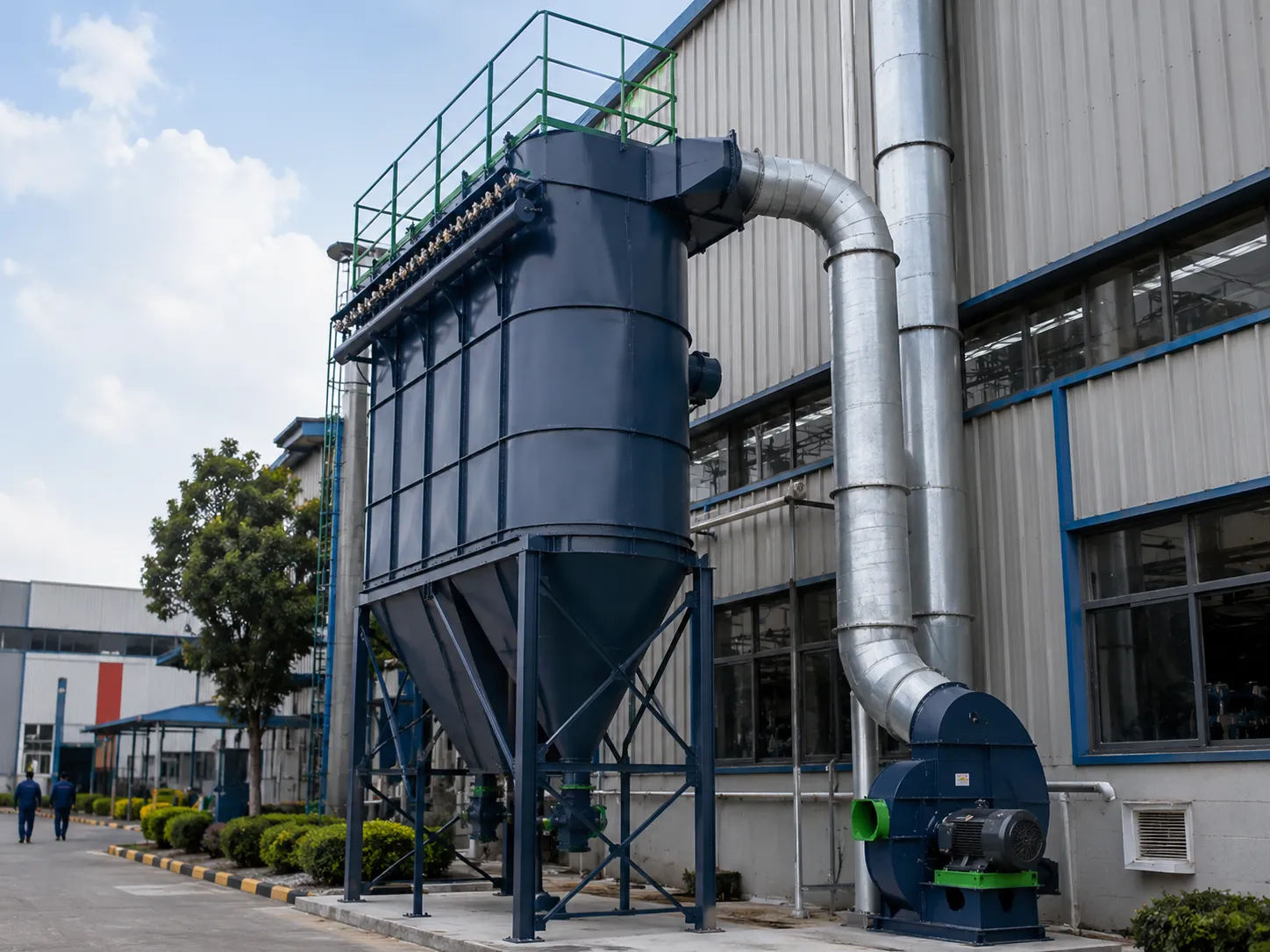
Automated cleaning cycles keep filter bags performing continuously.
Captures fine dust particles before they reach the atmosphere.
Easy bulk material discharge and collection.
Accessible bag housings for quick inspection and replacement.
| Parameter | Range |
|---|---|
| Air Handling Capacity | Up to 1,00,000 m3/hr |
| Filtration Efficiency | Up to 99%+ (media-dependent) |
| Filter Media | Polyester, PTFE-coated, Nomex, Fiberglass |
| Cleaning System | Pulse-jet, automated timer control |
| Hopper Angle | 60 degrees standard |
Ranges shown are indicative starting points, not a fixed catalog spec. Share your process data with our engineers for an exact recommendation and datasheet.
Gas composition, temperature and dust load determine the correct material. Common options for industrial dust collectors include:
Final material selection is confirmed based on your specific application, not a default.
Every unit follows the same engineering discipline, from duty point through to final testing.
Particle size, concentration and material type are established before sizing anything.
Bag material (polyester, PTFE, Nomex or fiberglass) is chosen for your dust and temperature conditions.
Filter area is calculated to keep pressure drop and cleaning frequency within a sustainable range.
Hopper angle and discharge mechanism are sized for your material's flow characteristics.
Pulse-jet timing and sequencing are set for continuous, low-maintenance operation.
Units are checked for filtration efficiency and structural integrity before dispatch.
Bag house filtration for kiln, mill and material transfer points.
Fine metal and sand dust capture from grinding and shakeout operations.
Sawdust and wood particulate collection at the source.
Powder handling with hygienic, easy-clean housing options.
Dust control at filling and packaging lines.
Fine powder capture from process and material handling areas.
The terms are often used interchangeably, but a dust collector typically refers to the complete system, hopper, housing, fan and controls, while a bag filter system can refer more specifically to the filtration stage within it. We build both as complete, ready-to-install units.
It depends heavily on dust type, concentration and operating hours, ranging from under a year in abrasive, high-load applications to several years in lighter-duty settings. Rising pressure drop that doesn't recover after a pulse-jet cleaning cycle is usually the clearest sign bags need attention.
Air volume to be handled, dust type and particle size, expected dust concentration, operating temperature, and whether the dust is combustible or abrasive. This determines filter media, air-to-cloth ratio and housing construction.
Yes, with the right filter media. PTFE-membrane or specialty fabric bags can achieve high filtration efficiency on very fine particulate, though the exact efficiency depends on particle characteristics and is confirmed for your specific dust during the engineering stage.
We can build dust collectors with construction features suited to combustible dust duty, but the appropriate explosion protection measures depend on your specific dust's characteristics and local regulatory requirements. Share your dust classification with our engineering team so the right safety features can be incorporated.