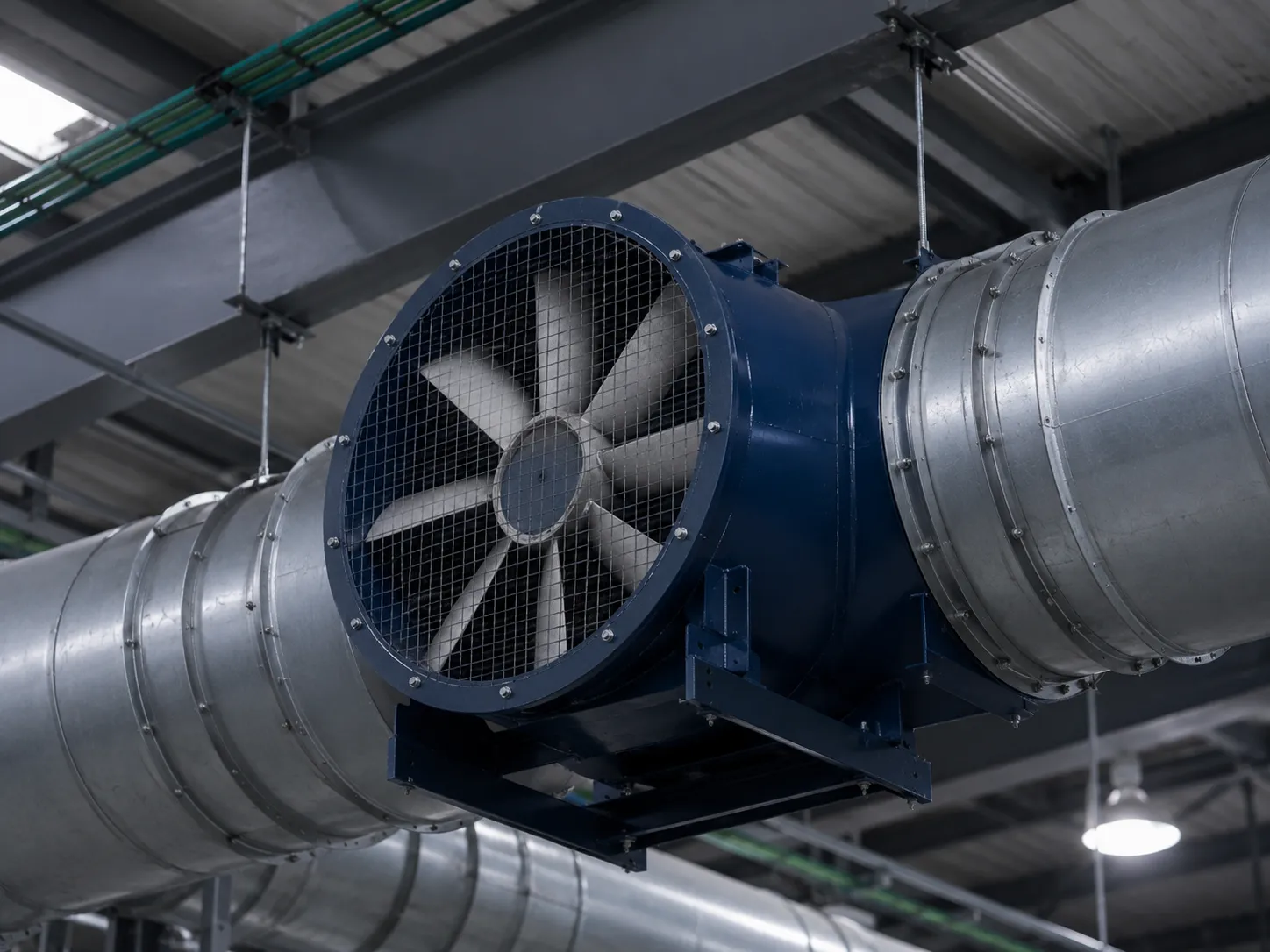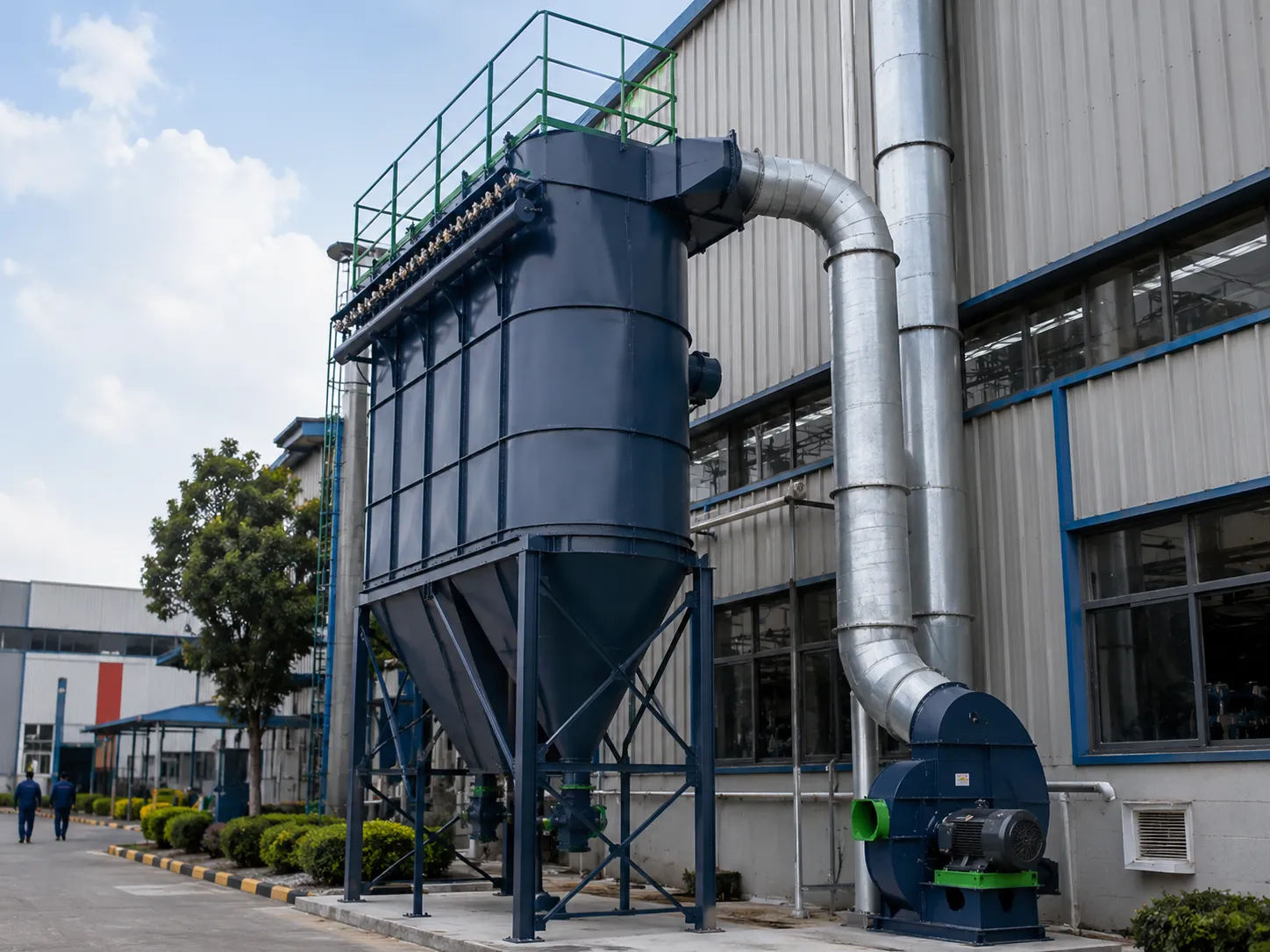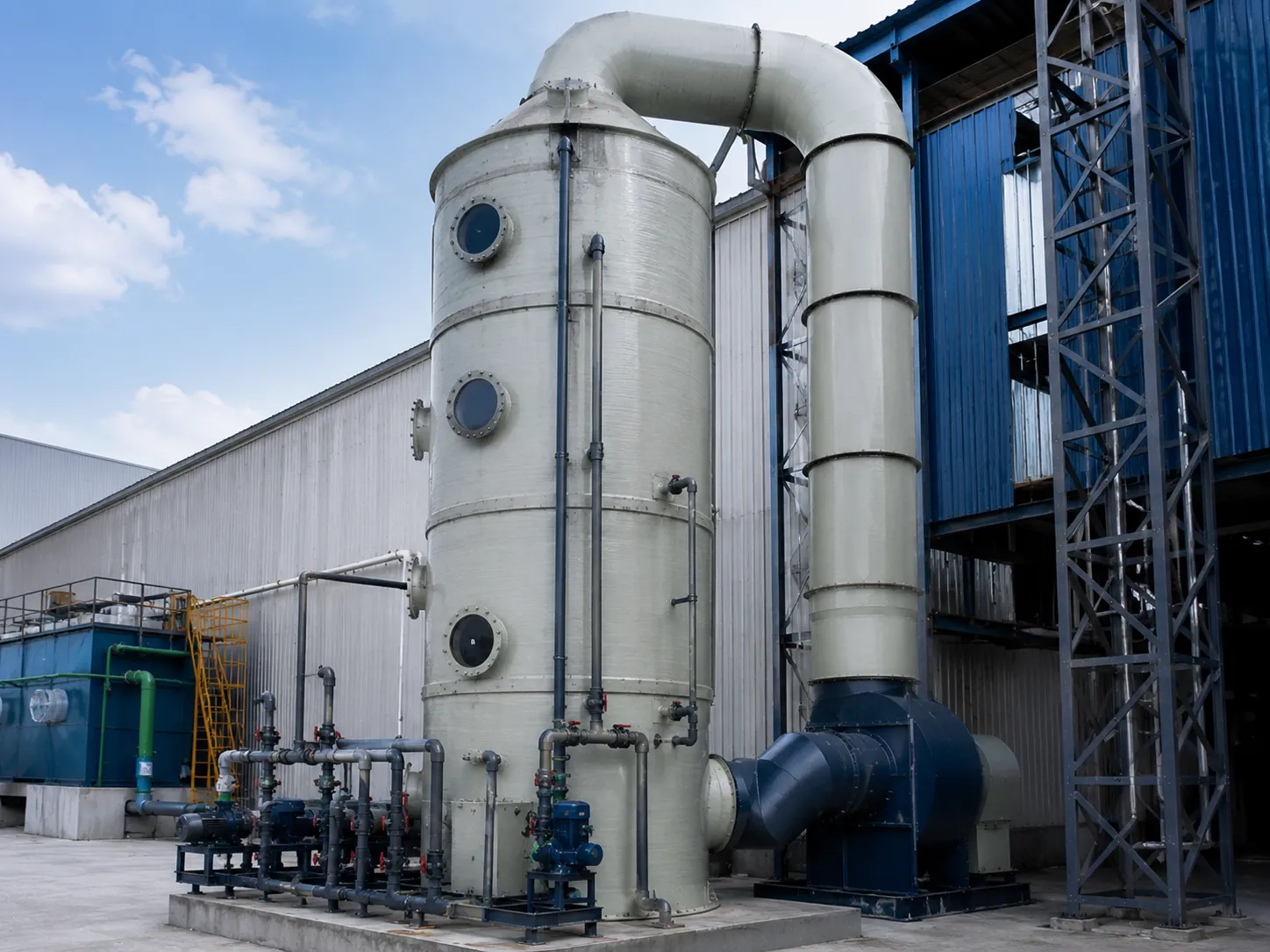
Airvent Systems manufactures localized fume extraction systems that capture smoke and fumes at the source in welding, cutting and process bays.
Our fume extraction systems use capture hoods, ducting and extraction fans to remove smoke and airborne contaminants right where they’re generated, protecting worker health and keeping shop floors clear.
Request A Quote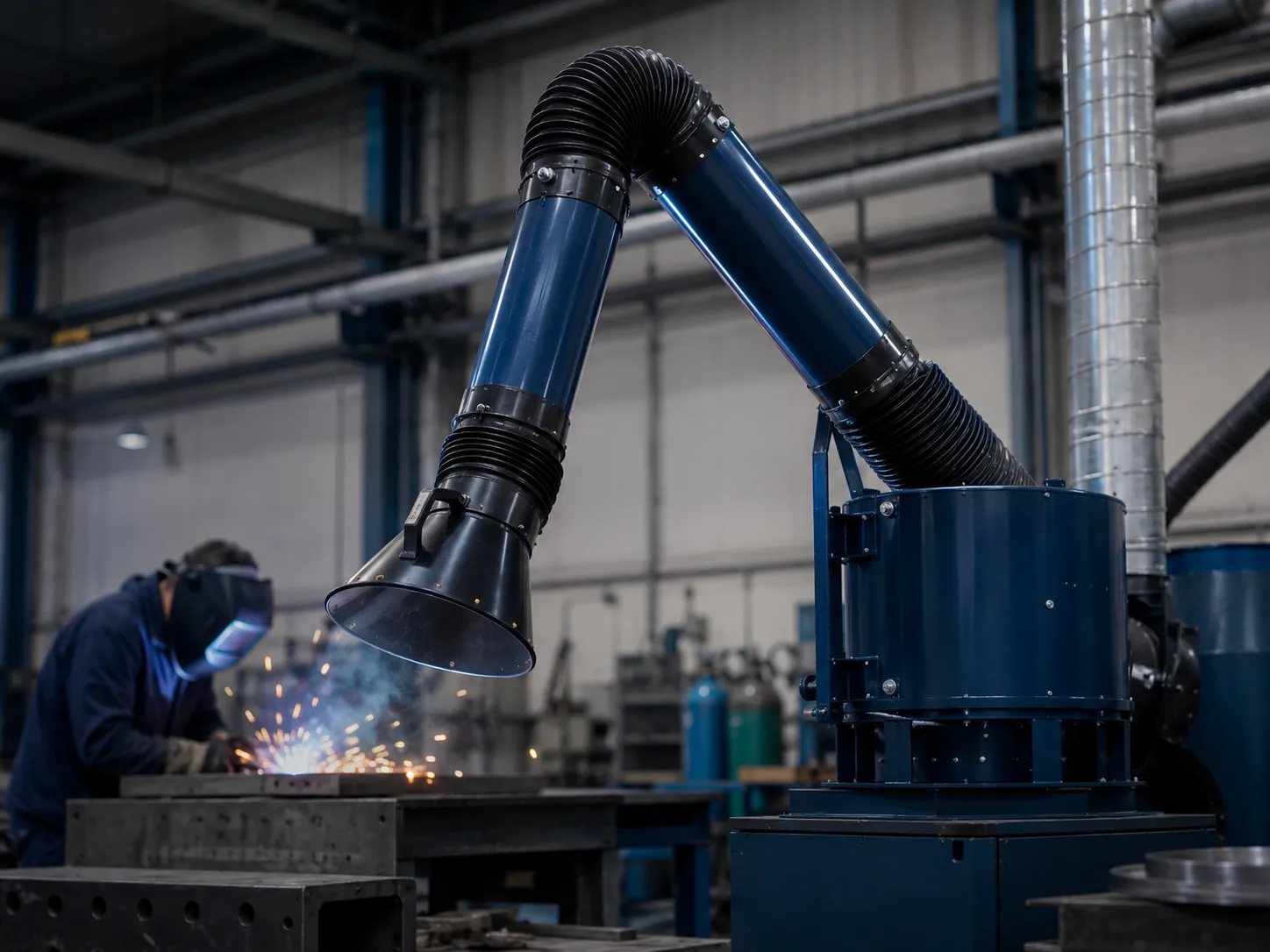
Hoods and arms positioned to capture fumes before they spread.
Designed around your existing bay and equipment layout.
Can be integrated with bag filters or scrubbers for full compliance.
Fan selection balances airflow with acceptable noise levels.
| Parameter | Range |
|---|---|
| Capture Velocity | Sized to source and contaminant type |
| Extraction Arm Reach | Up to 4 metres (standard) |
| Duct Diameter | 100 mm to 400 mm |
| Mounting | Wall, ceiling or floor-mounted |
Ranges shown are indicative starting points, not a fixed catalog spec. Share your process data with our engineers for an exact recommendation and datasheet.
Gas composition, temperature and dust load determine the correct material. Common options for fume extraction systems include:
Final material selection is confirmed based on your specific application, not a default.
Every unit follows the same engineering discipline, from duty point through to final testing.
Fume type, generation rate and workstation layout are assessed first.
Fixed hood, extraction arm or ducted system is chosen based on the source and operator movement.
Airflow is calculated to reliably capture fumes at the source without disturbing the work area.
Duct diameter and routing are sized to maintain transport velocity with minimal pressure loss.
Extraction fan and any required filtration are matched to the fume type and volume.
Capture velocity is verified before handover where specified.
Weld fume and paint shop extraction.
Fume extraction from welding, cutting and grinding stations.
General workshop fume and smoke extraction.
Solder fume extraction at assembly stations.
Localized vapor extraction from process points.
Point-of-use extraction for process exhaust.
An extraction arm is a flexible, positionable hood typically used at a single fixed workstation like welding or soldering, giving the operator control over hood placement. A ducted system uses a fixed network of ducting to extract fumes from multiple points or a larger area. The right choice depends on how many workstations need coverage and whether operators need to reposition the capture point.
Required capture velocity depends on the fume source, distance from the hood to the source, and any cross-drafts in the work area. Rather than a single fixed number, this is calculated per installation, share your workstation layout and we can advise on hood placement and airflow.
Yes, filtered extraction systems can clean the air before recirculating it back into the workspace, which can reduce heating/cooling costs compared to exhausting conditioned air outdoors. Filter media selection depends on the specific fume or particulate being captured.
This depends on the required airflow per station and the extraction fan's capacity. Centralized ducted systems can serve multiple stations if sized correctly, though simultaneous usage across all points needs to be accounted for in the design.
Yes, point-of-use extraction with appropriately sized capture velocity and, where needed, filtration suited to solder flux fumes can be engineered for assembly line workstations.