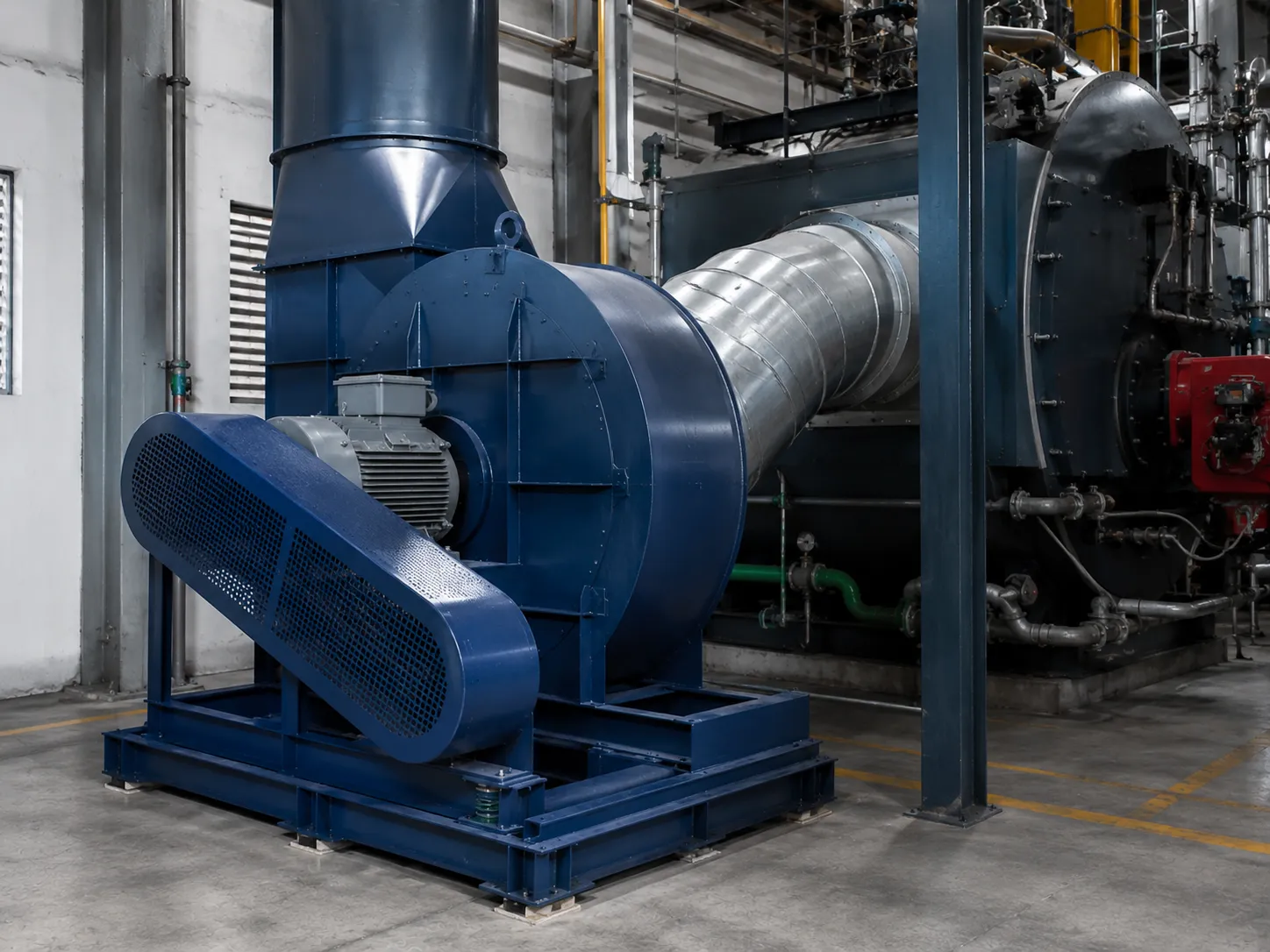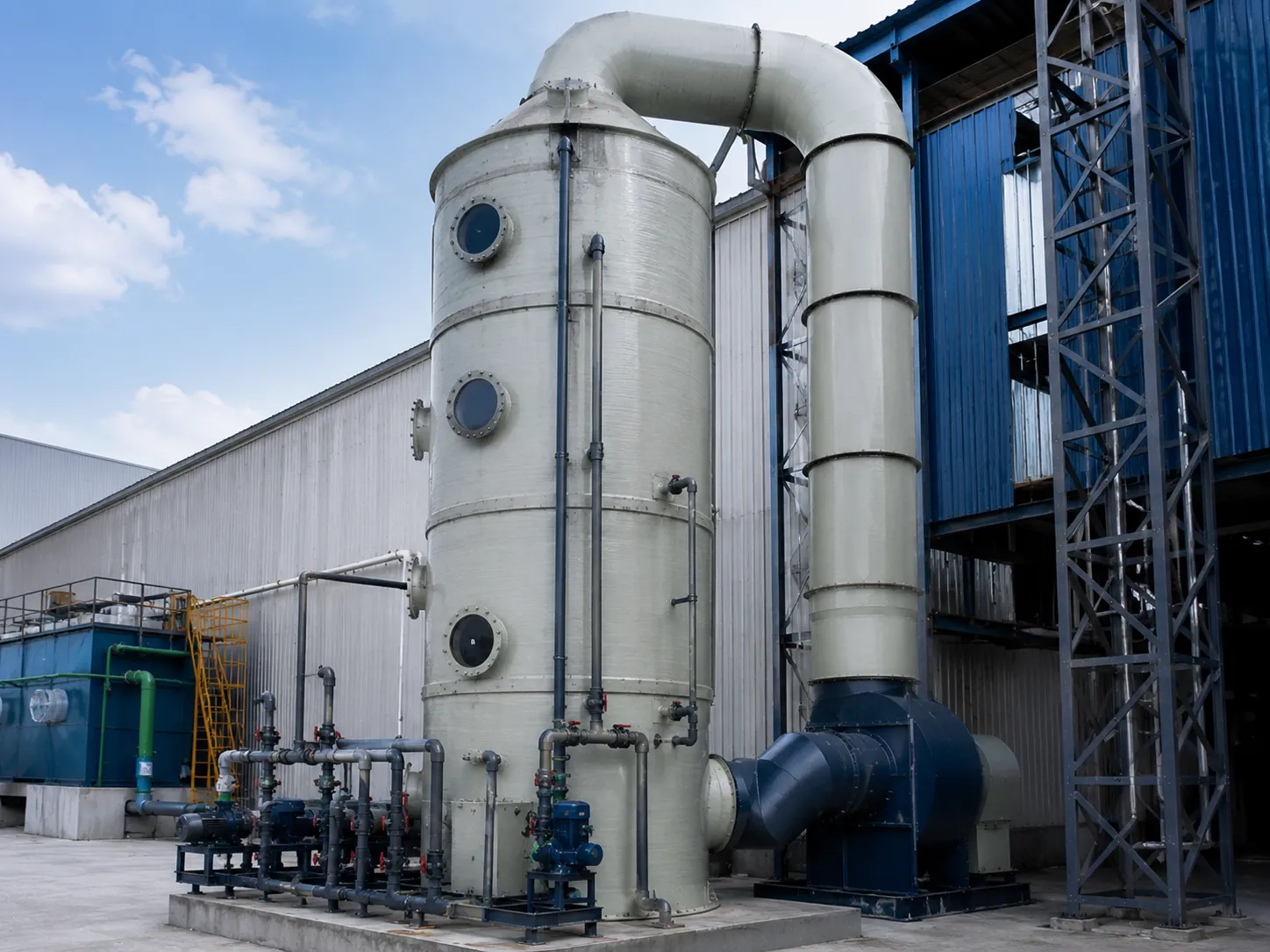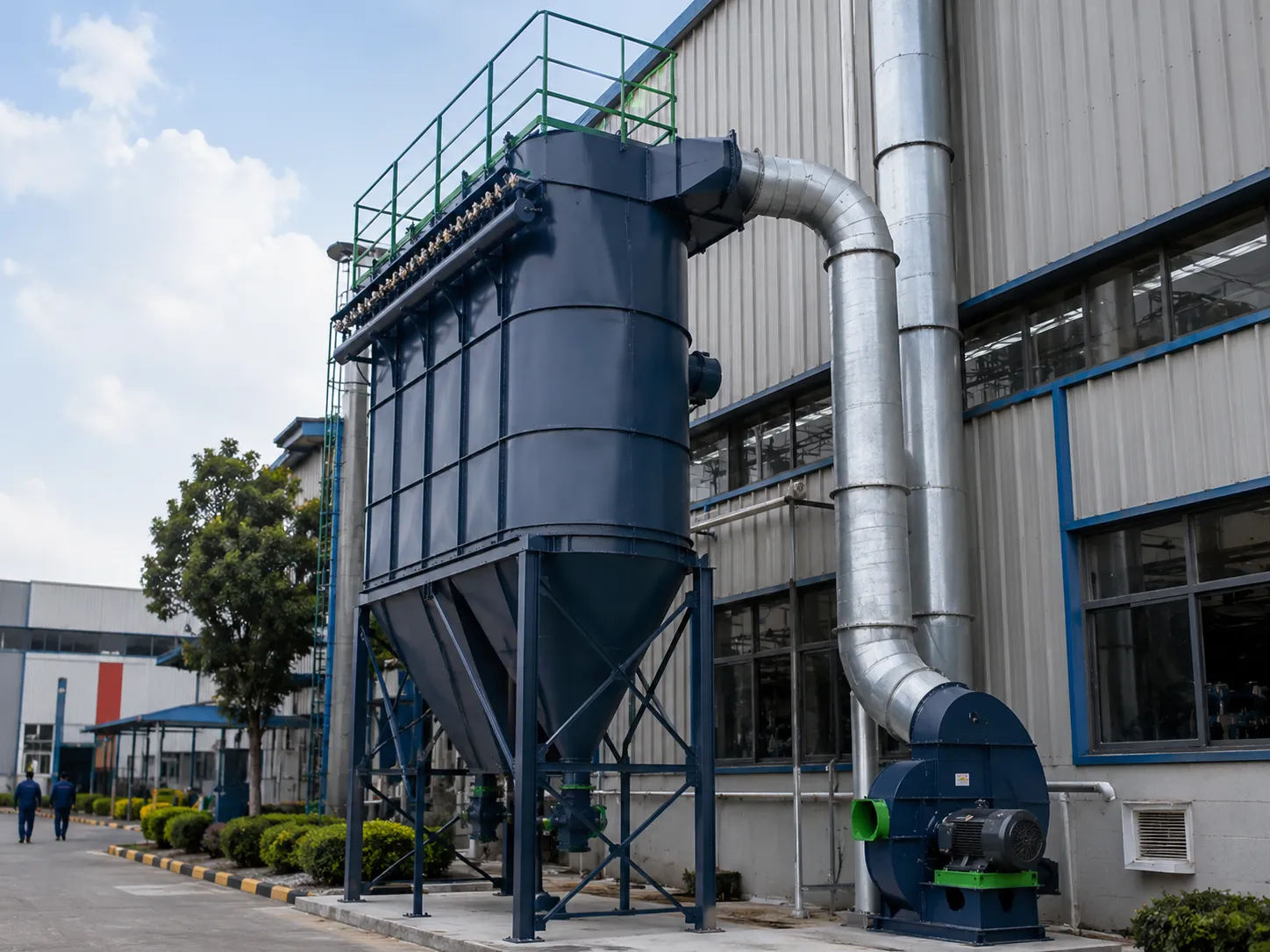
Airvent Systems manufactures Induced Draft (ID) fans that extract flue gases from boilers, furnaces and process systems.
Induced Draft (ID) fans pull flue gases out of a boiler, furnace or process system and route them toward the stack or pollution control equipment. Airvent Systems manufactures ID fans built to handle hot, dust-laden gas streams reliably.
Request A Quote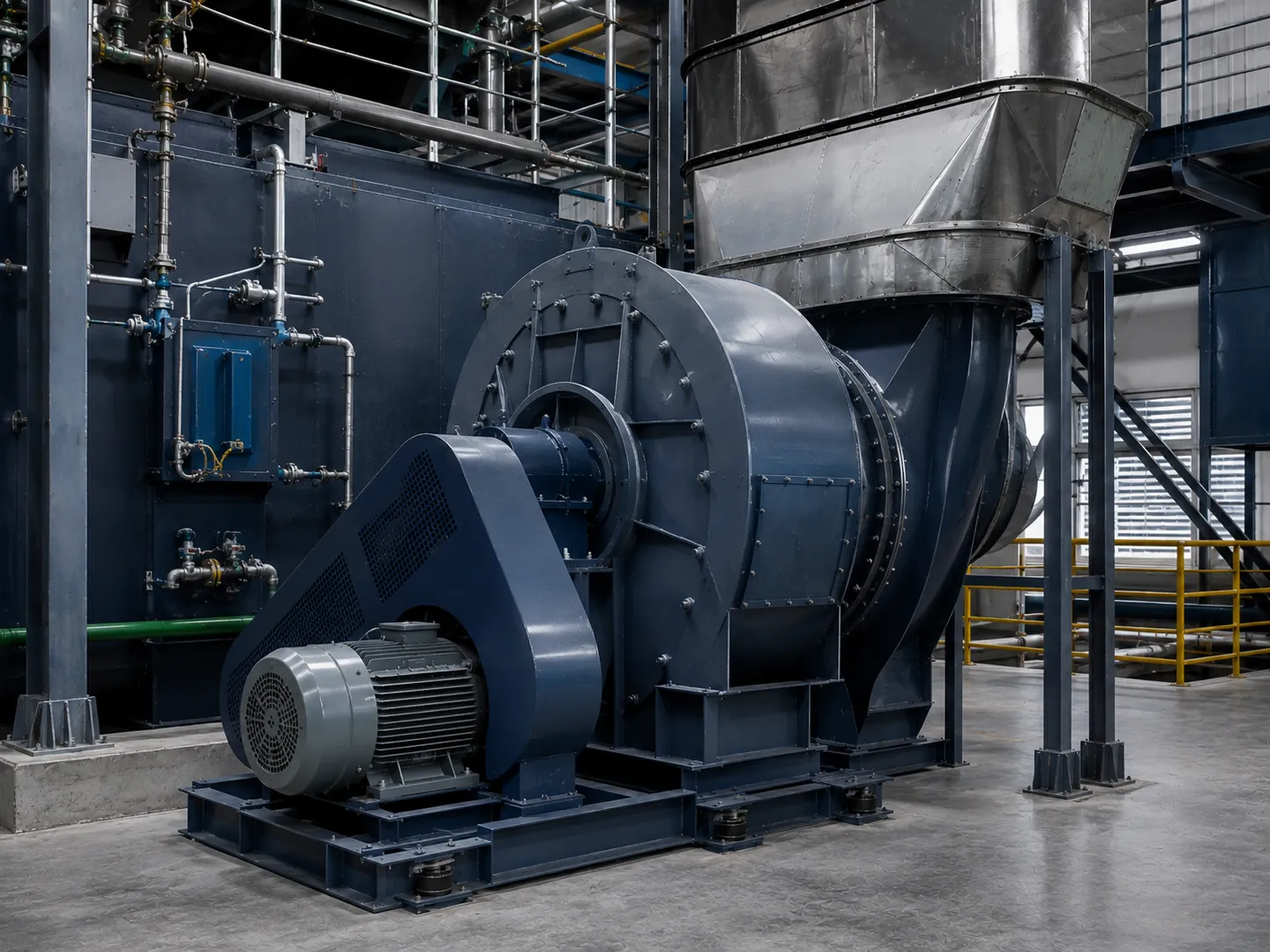
Built to withstand demanding flue gas conditions.
Extended life in abrasive gas stream applications.
Draws gases efficiently toward stacks or scrubbers.
Engineered to your process draft and temperature profile.
| Parameter | Range |
|---|---|
| Air Volume | Up to 50,000 m3/hr |
| Static Pressure | Up to 600 mmWC |
| Operating Temperature | Up to 400C (higher on request) |
| Impeller | Wear-resistant options for dust-laden gas |
Ranges shown are indicative starting points, not a fixed catalog spec. Share your process data with our engineers for an exact recommendation and datasheet.
Gas composition, temperature and dust load determine the correct material. Common options for id fans include:
Final material selection is confirmed based on your specific application, not a default.
Every unit follows the same engineering discipline, from duty point through to final testing.
Required negative draft, gas temperature and flue gas composition are established first.
Impeller material and coating are selected to handle dust-laden, hot gas streams.
Housing is sized and reinforced for negative-pressure operation and thermal expansion.
Configuration is selected based on speed, torque and maintenance access requirements.
Construction is matched to flue gas temperature and abrasiveness.
Units are run-tested for airflow and draft pressure before dispatch.
Flue gas extraction from boiler furnaces.
Kiln induced draft and raw mill exhaust.
Furnace exhaust and process gas handling.
Process gas extraction toward scrubbers or stacks.
Boiler and drying section exhaust.
Exhaust from thermic fluid heaters.
An ID (Induced Draft) fan pulls hot flue gases out of a boiler, furnace or kiln and sends them toward the stack or pollution control equipment. It sits downstream of the combustion or process zone and maintains negative pressure inside the system.
ID fans handle hot, often dust-laden flue gases, which are far more abrasive and thermally demanding than the clean intake air an FD fan handles. This is why ID fan impellers typically use wear-resistant coatings or hardened materials, and why they're inspected more frequently in service.
Required draft (negative pressure), flue gas volume, gas temperature at the fan inlet, dust concentration, and gas composition (particularly if corrosive). This determines impeller material, casing design and expected service life.
Yes, with the right material selection. Standard construction suits moderate temperatures, while higher-temperature applications need heat-resistant materials and, in some cases, cooling provisions. Share your actual flue gas temperature so the right construction can be specified.
The ID fan is typically positioned to pull gas through the dust collector or scrubber before discharge, since drawing gas through the equipment (rather than pushing it) helps keep the pollution control equipment under negative pressure and reduces leakage.