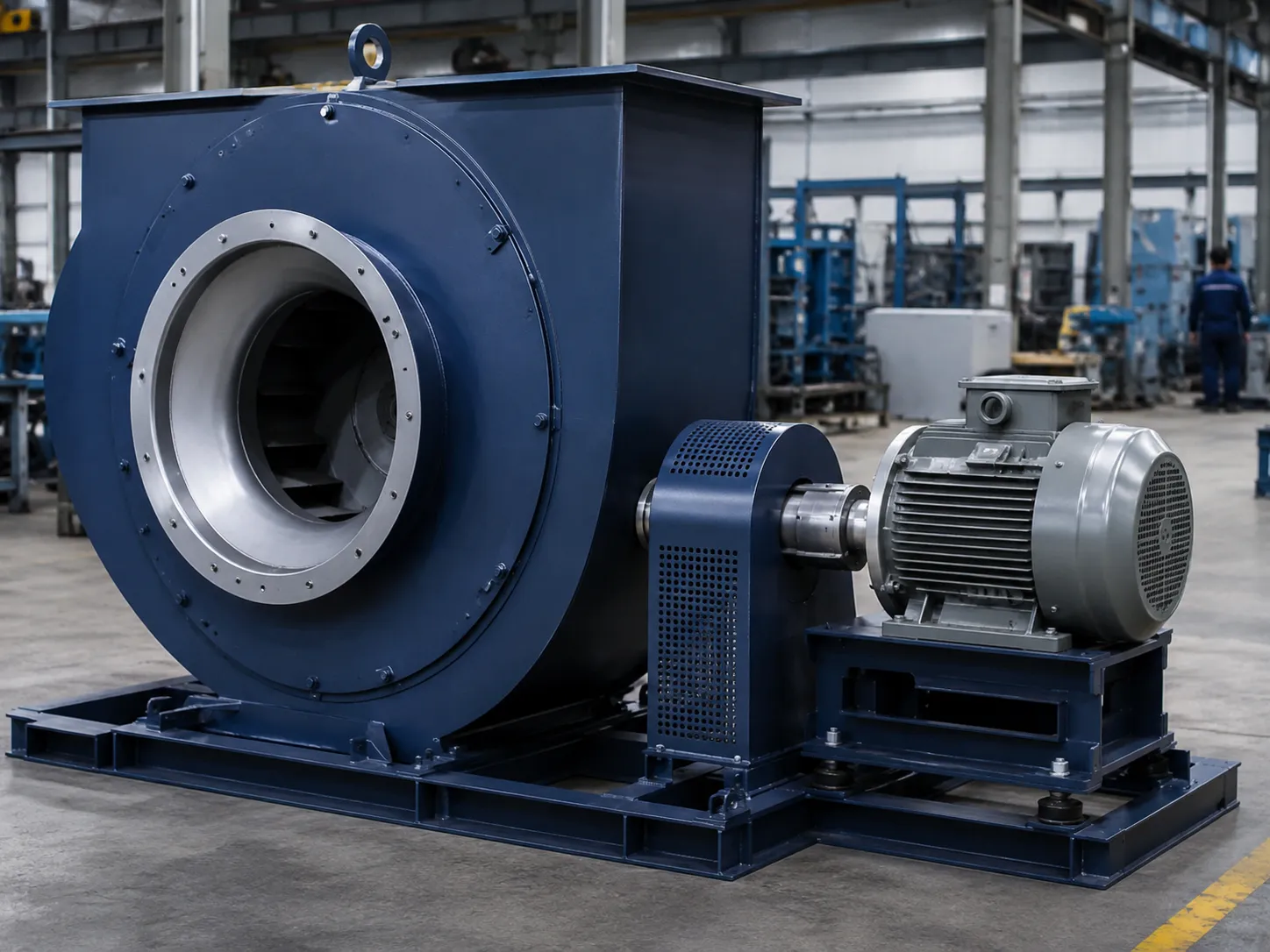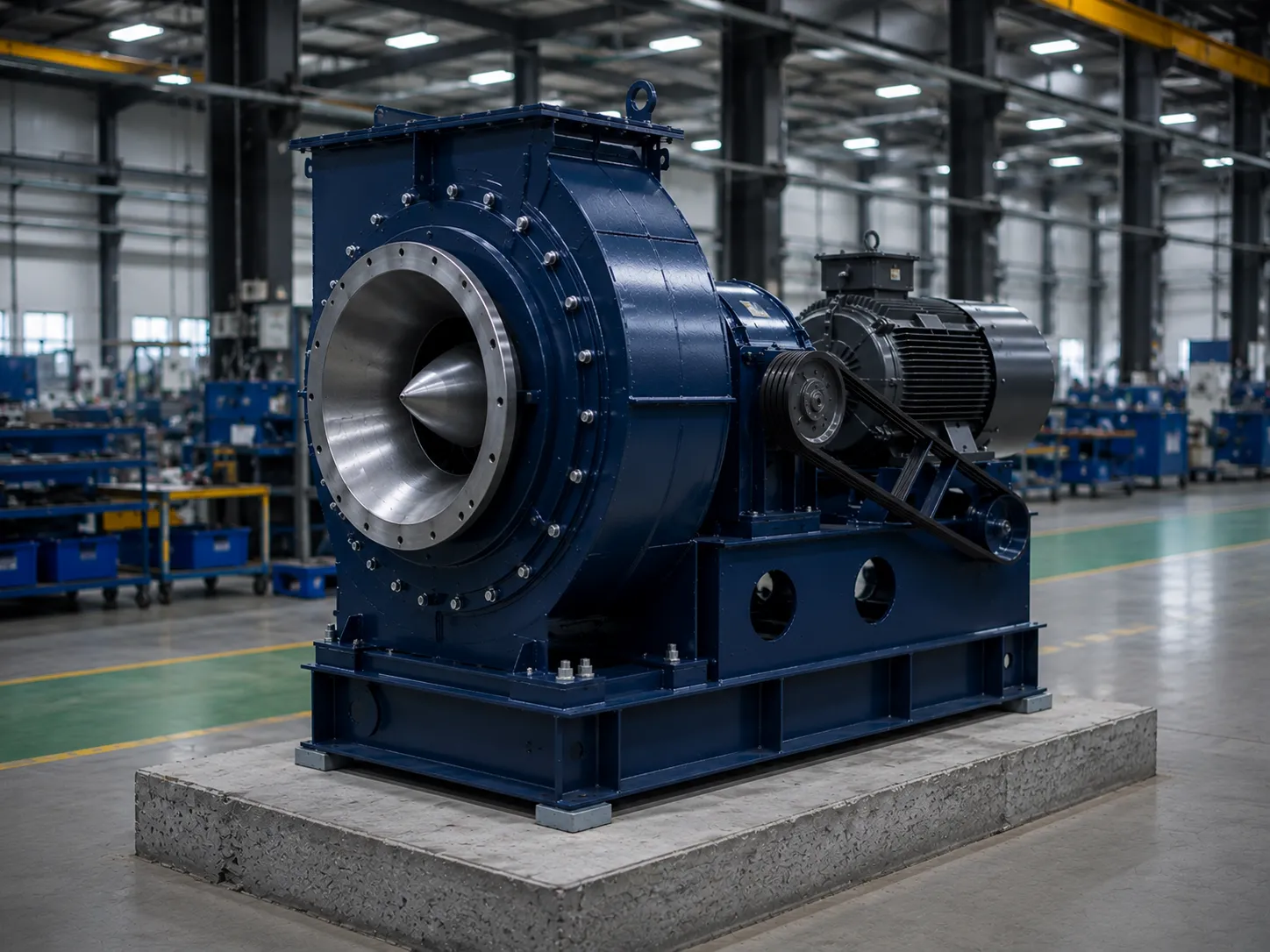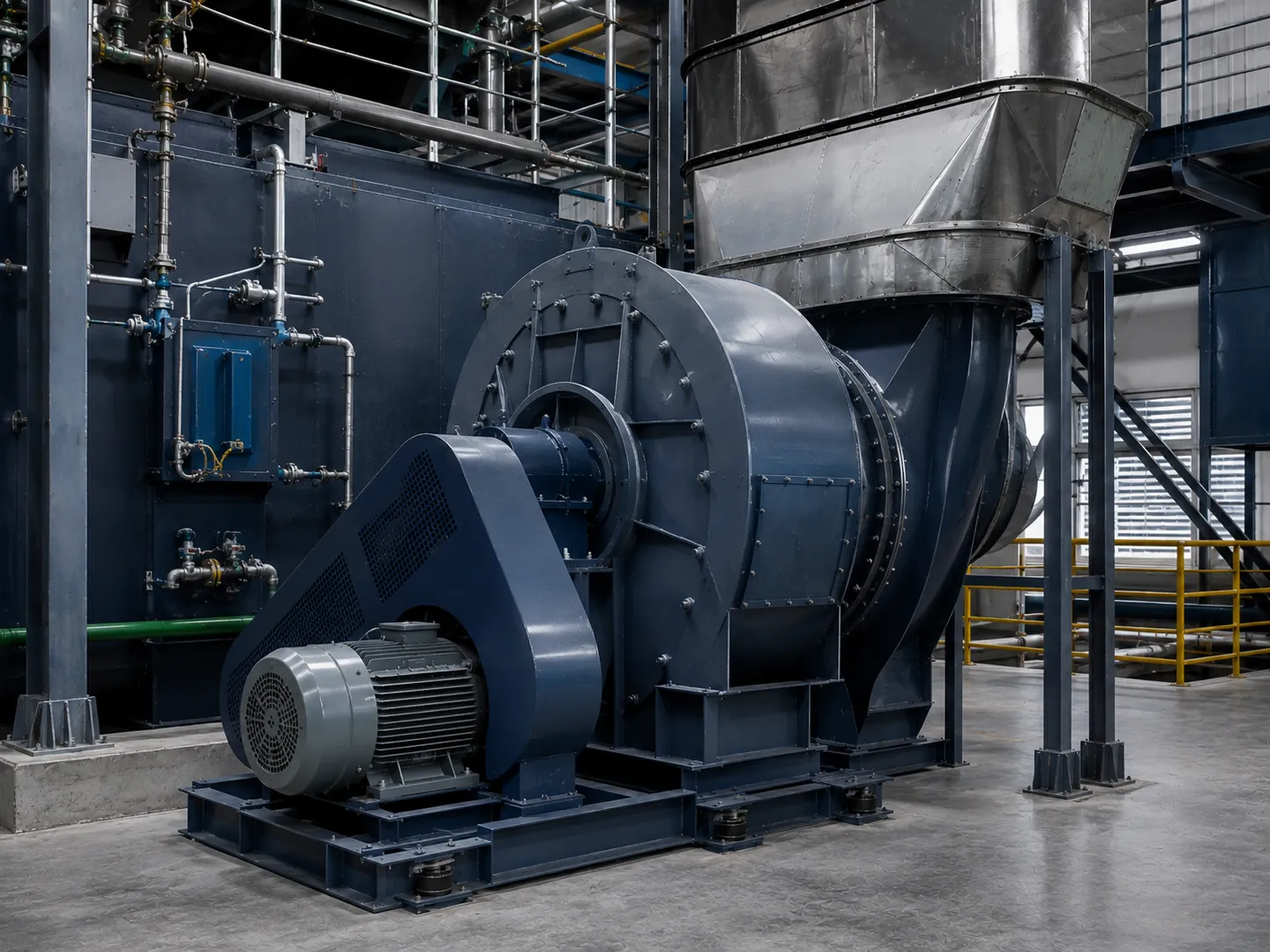
Airvent Systems manufactures robust high pressure blowers engineered for demanding pneumatic conveying and high-static-pressure process applications.
When your process demands airflow against high system resistance, our high pressure blowers deliver. Reinforced casings, precision-machined impellers and heavy-duty bearings ensure stable performance even under sustained high-pressure duty.
Request A Quote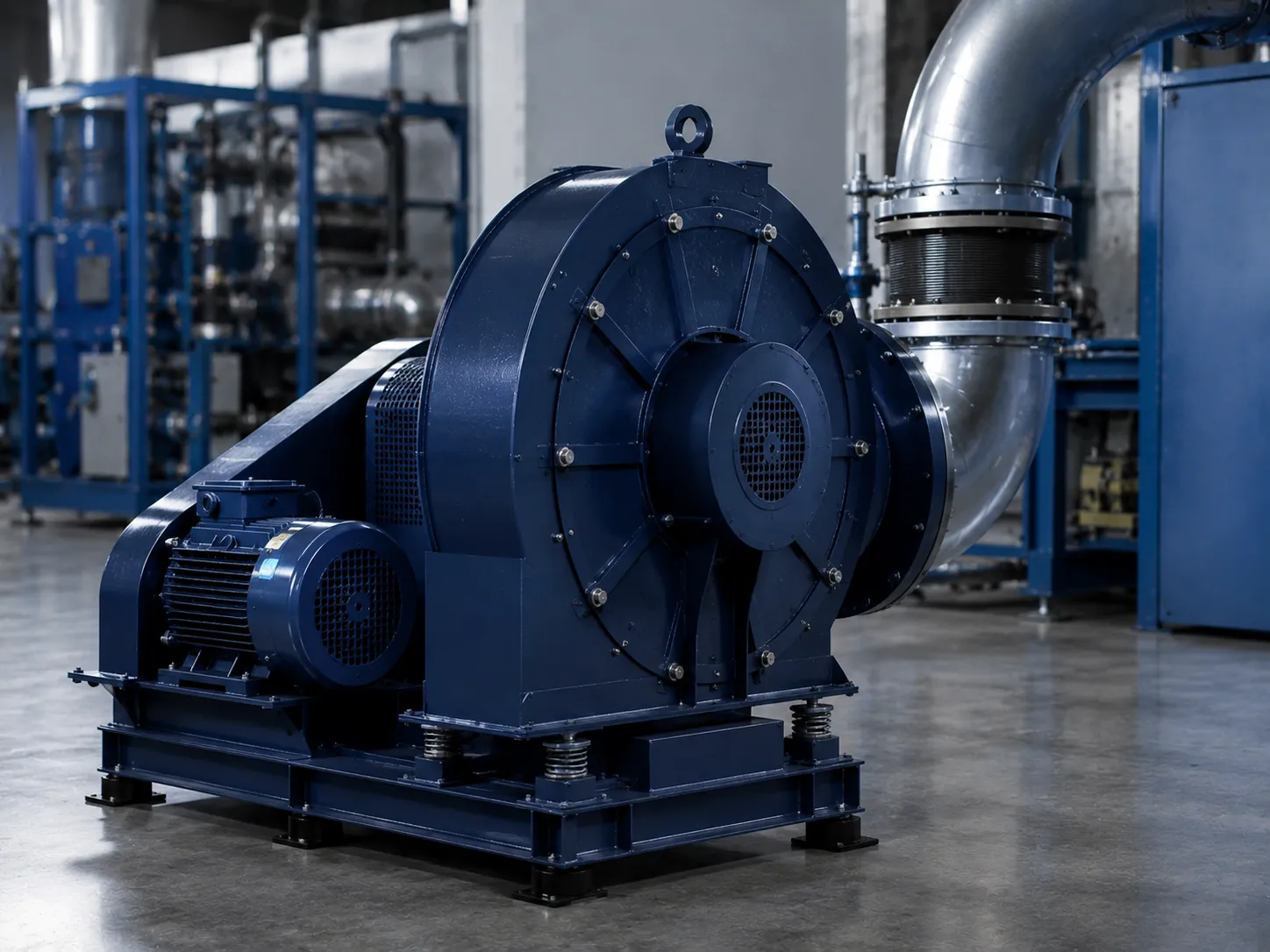
Heavier wall sections engineered to handle high static pressure.
Machined and balanced for stable high-pressure operation.
Selected for long service life under continuous high load.
Sized to your exact pressure and flow requirement.
| Parameter | Range |
|---|---|
| Air Volume | Up to 20,000 m3/hr |
| Static Pressure | 500 to 2,000+ mmWC |
| Motor Power | 1 HP to 200 HP |
| Fan Speed | Up to 4,500 RPM |
| Casing | Reinforced heavy-gauge construction |
Ranges shown are indicative starting points, not a fixed catalog spec. Share your process data with our engineers for an exact recommendation and datasheet.
Gas composition, temperature and dust load determine the correct material. Common options for high pressure blowers include:
Final material selection is confirmed based on your specific application, not a default.
Every unit follows the same engineering discipline, from duty point through to final testing.
Required airflow against your system's actual resistance is established first, not assumed from a catalog curve.
Reinforced casing sections and precision impeller geometry are sized for sustained high-pressure operation.
Heavy-duty bearings and shaft sizing are selected for continuous high-load duty.
Configuration is set for the speed and torque needed to reach your pressure requirement.
Construction is matched to the material or gas being conveyed and its abrasiveness.
Units are tested under load to confirm pressure and flow before dispatch.
Pneumatic conveying and silo aeration against high system resistance.
High-pressure conveying of powders and granules.
Pneumatic transfer of dry bulk ingredients.
Vacuum and pressure conveying of pellets and granules.
Blow-off and industrial cleaning applications.
High-resistance ducting and process air systems.
There's no single industry-wide cutoff, but blowers built to sustain roughly 500 mmWC and above are generally categorized as high pressure. These use reinforced casings and heavier bearings than standard-duty blowers, since sustained high back-pressure puts significantly more load on the impeller and shaft.
Pneumatic conveying of powders and granules, vacuum and pressure conveying systems, silo aeration, and any process where air has to move through long ducting runs, dense filters, or dense material beds.
Required airflow, the system's actual resistance (static pressure) at that flow rate, the material or gas being conveyed, and whether the airstream is abrasive. Conveying distance and pipe diameter are also useful if the application is pneumatic conveying.
Yes, with the right configuration. Wear-resistant impeller coatings and heavier-gauge casings are available where the conveyed material is abrasive, extending service life significantly compared to a standard-duty build.
Both are used for high-pressure duty, but they work differently. A high pressure centrifugal blower uses impeller speed to build pressure and suits continuously variable flow, while a Roots-type blower moves a fixed volume per rotation and is common in applications needing very stable flow regardless of pressure changes. The right choice depends on your specific duty point and turndown requirement, share your details and we'll advise.